Skip to Content

Blog Archives

A Guide to Beauty Products Fulfillment for DTC Brands

Beauty products fulfillment is the art and science of storing, packing, and shipping your cosmetics, skincare, and fragrances. It’s far more than just putting items in a box—it’s a specialized service that handles fragile products, temperature-sensitive formulas, and the sky-high expectations of today's beauty customers.

What Is Beauty Fulfillment and Why Is It Unique?

Two women workers packaging green bottles of beauty products into boxes at a fulfillment center.

Think of it this way: a standard warehouse is like a fast-food joint, built for one thing—speed. But a beauty fulfillment center is more like a Michelin-starred kitchen. Presentation, ingredient integrity, and a flawless customer experience are just as crucial as getting the order out the door.

While the fundamentals of all ecommerce fulfillment solutions are the same (pick, pack, ship), the stakes are much higher in the beauty world. A generic 3PL might toss your glass serum bottles next to heavy auto parts or leave delicate organic creams to melt in a hot warehouse. These are real-world scenarios that lead to shattered products, angry customers, and a damaged brand reputation.

The Core Challenges Beauty Brands Face

The beauty industry is booming, with online sales projected to hit $338.9 billion by 2029. This incredible growth brings unique operational headaches. Unlike shipping t-shirts or books, beauty products demand a far more careful and controlled approach.

Here are the main obstacles beauty brands run into and why a specialist is essential.

Core Challenges in Beauty Fulfillment

Challenge Area Impact on Your Brand Why a Specialist Is Required
Fragile & High-Value Products High rates of damage, costly returns, and inventory loss. Expert packers use the right dunnage (bubble wrap, inserts) to protect glass, mirrors, and delicate compacts.
Temperature & Climate Sensitivity Melted lipsticks, separated creams, and ruined active ingredients lead to wasted product and unhappy customers. Climate-controlled storage ensures products maintain their intended texture, efficacy, and shelf life.
Strict Lot & Expiration Tracking Risk of shipping expired or old products, leading to customer complaints, health concerns, and potential legal issues. A robust WMS with FEFO (First-Expirable, First-Out) protocol guarantees the oldest stock ships first.
High Consumer Expectations A poor unboxing experience feels cheap and can prevent repeat purchases. Specialists excel at custom kitting, branded packaging, and adding inserts that create a memorable "wow" factor.

These aren't just minor details; they are critical touchpoints that define your brand in a crowded market.

A fulfillment error in another industry might be an inconvenience. In beauty, a broken bottle, a melted lipstick, or the wrong foundation shade can ruin a customer’s experience and damage brand perception instantly.

Ultimately, specialized beauty products fulfillment ensures every order arrives looking perfect, protecting your inventory and your bottom line. It transforms logistics from a cost center into a powerful tool for building brand loyalty. A standard warehouse just ships a box; a beauty fulfillment partner delivers an experience.

Navigating Complex Shipping Regulations

Shipping beauty products isn’t as simple as slapping a label on a box and calling it a day. Many popular cosmetics are classified as hazardous materials (HAZMAT) by shipping carriers, which means they’re tangled in a web of strict rules that can stop a growing brand dead in its tracks.

Getting this wrong is a fast track to rejected shipments, steep fines, and major headaches. Think of it this way: shipping a t-shirt is like mailing a letter. Shipping a bottle of perfume? That’s more like transporting a sensitive, controlled substance. The rules are there for a reason—many common ingredients are flammable, pressurized, or combustible. Mastering these regulations is a non-negotiable part of a successful beauty products fulfillment strategy.

Identifying HAZMAT and Dangerous Goods

The word “hazardous” probably makes you think of industrial chemicals, not your best-selling serum. But in the world of beauty and cosmetics, many everyday products fall into this category. Any item containing flammable liquids, gasses, or certain regulated chemicals has to be declared and handled with special care.

Common beauty products often classified as HAZMAT include:

  • Perfumes and Colognes: Their high alcohol content makes them extremely flammable.
  • Aerosol Sprays: Hairsprays, dry shampoos, and some sunscreens are pressurized and can explode if handled improperly.
  • Nail Polishes and Removers: These almost always contain flammable solvents like acetone.
  • Certain Serums or Treatments: Any product with a high concentration of alcohol or other specific chemicals can be flagged.

Each one of these requires special packaging, distinct labeling, and the right documentation to ship legally and safely. Simply ignoring the classification isn’t an option—it’s a massive risk to your operations and your customer’s trust.

Understanding Carrier-Specific Rules

To make things even more complicated, every major carrier has its own playbook for handling these products. There's no one-size-fits-all solution. What flies with one carrier (pun intended) might be completely forbidden by another, especially when it comes to air transport.

For example, the United States Postal Service (USPS) is notoriously strict about shipping flammable items like perfume, usually restricting them to ground-only transport. FedEx and UPS offer more robust services for HAZMAT, but they demand that shippers be certified and follow their precise packaging and labeling protocols down to the letter.

Failing to follow carrier rules can lead to a lot more than just a returned package. We've seen brands get hit with huge fines, have their shipping accounts suspended, and even get blacklisted—effectively shutting down their ability to get products to customers.

The Importance of Documentation and Compliance

On top of carrier rules, you have to keep the FDA happy. The FDA regulates everything from your ingredient lists and marketing claims to the tiniest details on your product labels. Every label has to clearly state the ingredients, net weight, and manufacturer info.

Proper documentation is your brand’s passport through this regulatory maze. This isn't optional.

  • Safety Data Sheets (SDS): For any HAZMAT product, you absolutely need an SDS. This document details the potential hazards and spells out exactly how to handle the product safely.
  • Accurate Labeling: Your labels must meet all FDA guidelines and display any required HAZMAT warnings clearly. No exceptions.
  • Proper Invoicing: If you're shipping internationally, you need a detailed commercial invoice that accurately describes the contents and their value.

A specialized fulfillment partner will manage all of this for you, acting as your compliance shield. They’ll prep every shipment to sail through checkpoints, protecting your brand's reputation and your bottom line. This meticulous attention to detail is what separates the pros from the amateurs in beauty products fulfillment.

Creating an Unforgettable Unboxing Experience

A woman unboxes an orange package revealing various beauty and wellness products on a white table.

In a sea of digital ads, the unboxing experience is the first real moment your customer has with your brand. It’s when the online promise becomes a physical reality. For beauty brands, this isn't just about dropping a product on a doorstep; it's about delivering an experience—one so good people can't wait to share it.

Smart beauty products fulfillment treats the box as more than just a shipping container. It’s your most powerful marketing tool. It turns a simple delivery into a TikTok-worthy moment that builds loyalty and generates free, word-of-mouth advertising. The goal? Make opening that package feel like unwrapping a handpicked gift.

But first, the basics. That magical feeling is instantly ruined by a cracked palette or a leaky serum. A specialized 3PL knows how to use the right dunnage and protective wrap to make sure your fragile glass bottles, mirrors, and delicate formulas arrive in perfect condition.

Beyond Protection: Packaging as a Brand Statement

Once your products are safe, it's time to make them shine. Custom branding transforms a plain brown box into a mobile billboard for your business. This can be as simple as a branded sticker or as elaborate as a fully custom experience.

Here are some elements that make a real difference:

  • Custom-Printed Boxes: Your logo and brand colors make an instant impression, right on the porch.
  • Branded Tissue Paper or Crinkle Fill: Adds a touch of luxury and makes the reveal feel special.
  • Stickers and Branded Tape: A simple, cost-effective way to seal the package with a professional look.
  • Personalized Inserts: A thank-you note or a promo card makes customers feel seen and appreciated.

These details come together to tell a cohesive brand story from the second the package arrives. For a closer look at creating that perfect first impression, check out our guide to ecommerce packaging solutions. Don't just protect your product; elevate the entire customer experience.

The Power of Kitting and Bundling

Beyond just shipping single items, one of the best tools in beauty products fulfillment is kitting. Think of it as creating a "product recipe" where your fulfillment partner assembles different SKUs into one ready-to-ship set.

Kitting transforms your fulfillment center from a simple shipping station into a strategic marketing hub. It allows you to create unique product offerings on the fly without having to pre-package everything at the manufacturing stage.

This service is incredibly flexible and opens the door to a ton of revenue-boosting ideas. A good fulfillment partner can execute all kinds of kitting projects to help you hit your marketing goals.

Common Kitting Applications for Beauty Brands

  1. Subscription Boxes: Your 3PL can build and ship unique, curated boxes to subscribers every month, locking in recurring revenue.
  2. Gift Sets: Pre-assembled sets for holidays or special events make shopping easier for your customers and naturally increase order value.
  3. Promotional Bundles: Offering a "Skincare Starter Kit" or a "Summer Glow Bundle" is a great way to get customers to try more of your products at once.
  4. Welcome Kits: A special kit for new customers creates a fantastic first impression and helps turn them into loyal fans.

By outsourcing kitting, you can test new product combinations without the logistical headache of managing it all in-house. This gives you the freedom to react to market trends, clear out slow-moving inventory, and—most importantly—dramatically increase your Average Order Value (AOV). When a customer buys a bundle instead of just one lipstick, your fulfillment process has officially helped your bottom line.

The Importance of Climate Control and Inventory Management

A close-up of a climate-controlled storage unit displaying rows of beauty product bottles.

Think about it: would you leave fine wine in a hot garage or a bar of chocolate on a car dashboard in July? Of course not. That same logic applies to your beauty products, yet countless brands make this exact mistake by storing their inventory in a standard warehouse. This is one of the most critical—and costly—errors in beauty products fulfillment.

A typical warehouse is designed to keep products dry and secure, but that's about it. It does nothing to protect the delicate chemical formulas inside your products. Wild temperature swings and high humidity can wreak havoc on your inventory. High heat can melt lipsticks, separate emulsions in creams and lotions, and completely degrade active ingredients like Vitamin C, rendering them useless.

This is an even bigger problem for natural and organic brands, which often use fewer synthetic preservatives. Without a stable environment, their shelf life plummets, leading to wasted inventory and, even worse, customers receiving a product that has lost its color, texture, or potency.

Climate Control vs. Climate Monitoring: Know The Difference

When you're talking to a potential fulfillment partner, you need to understand the massive difference between a "climate-monitored" and a "climate-controlled" facility. They are not the same thing.

  • Climate-Monitored: This just means the warehouse tracks the temperature and humidity. It's a glorified weather report that tells you that it's 95°F inside, but it does absolutely nothing to fix it.
  • Climate-Controlled: This is the gold standard for beauty and cosmetics. These facilities use commercial-grade HVAC systems to maintain a consistent temperature and humidity all year long, protecting your products no matter what the weather is doing outside.

For any brand that cares about product integrity, true climate control is non-negotiable. It's the only way to ensure your customer receives the product exactly as you intended.

Storing your beauty products in a non-controlled warehouse is a huge gamble on your brand's reputation. A single summer heatwave can compromise thousands of dollars of inventory, turning perfectly good products into unsellable waste.

Smart Inventory Management for Maximum Freshness

Getting the storage environment right is only half the battle. The other half is making sure your products don't sit on the shelf long enough to expire. This is where smart inventory management comes in, and two key methods are used in beauty products fulfillment.

FIFO (First-In, First-Out): This is the standard inventory system for most industries. It’s simple: the oldest stock that arrived at the warehouse is the first to be shipped out. Think of it like a line at the grocery store—the first person to get in line is the first one to check out. This system works just fine for products without an expiration date.

FEFO (First-Expirable, First-Out): For beauty products, FEFO is the only way to go. This system prioritizes shipping out products with the soonest expiration date, regardless of when they actually arrived. It's the only method that guarantees customers get fresh, potent products while minimizing the costly write-offs that come from expired inventory. For more on this, check out our guide on modern inventory management best practices.

By pairing climate-controlled storage with a strict FEFO system, a specialized 3PL protects both the physical quality of your products and their financial value. It ensures every dollar you’ve invested in inventory has the best possible chance of becoming a happy customer and a completed sale.

Mastering Amazon FBA Prep and Marketplace Sales

Selling on a marketplace like Amazon gives your brand access to a huge audience, but it comes with a notoriously strict rulebook. For beauty brands, using Fulfilled by Amazon (FBA) is a great way to reach millions of Prime customers, but one tiny mistake in your shipment can cause big headaches—refused inventory, expensive chargebacks, or even a suspended account.

Think of Amazon’s fulfillment centers like an exclusive club with a very specific dress code. If your inventory doesn't show up looking exactly right, it’s not getting past the door.

This is where having a specialized beauty products fulfillment partner becomes your secret weapon. A 3PL that lives and breathes marketplace compliance acts as a shield for your brand, making sure every single unit is prepped perfectly before it ever leaves their warehouse. They take that operational weight off your shoulders, turning Amazon’s maze of requirements into a simple, hands-off process for you.

The Anatomy of Flawless FBA Prep

Amazon’s prep rules are detailed and, more importantly, non-negotiable. They're designed for maximum efficiency in their massive, automated network, and any product that doesn't fit the mold can jam up the whole system. A good partner handles all these little details with precision.

Key FBA prep services include:

  • FNSKU Labeling: Every item you send to FBA needs a unique Fulfillment Network Stock Keeping Unit (FNSKU) barcode. This is what ties the product back to you. Your 3PL will print these and apply them over any existing manufacturer barcodes so you get credit for every sale.
  • Poly Bagging: Beauty products, especially liquids or items sold as a set, almost always need a transparent poly bag. These bags have to meet specific thickness rules, include a suffocation warning, and be sealed tight to stop leaks or items from getting separated.
  • Bubble Wrapping: For fragile items like glass serum bottles or pressed powder palettes, bubble wrap is a must. It’s your best defense against damage during transit and handling inside Amazon's busy warehouses.
  • Building Compliant Pallets: Shipping in bulk? Your pallets must be built to Amazon's exact specs—from height and weight to how they’re wrapped and labeled. An incorrectly built pallet will be rejected right at the loading dock.

A single Amazon chargeback for a prep mistake might only be a few dollars per unit, but those fees can quickly stack up to thousands of dollars in penalties on a large shipment. Getting prep right isn't just a best practice; it's a critical way to protect your bottom line.

By outsourcing this meticulous work, you dodge the risk of refused inventory and surprise fees. To get into the nitty-gritty, you can learn more about Amazon FBA labeling requirements and how to nail them every time.

Beyond Amazon: Expanding to Other Marketplaces

While Amazon is the giant, it’s not the only game in town. Platforms like Walmart Marketplace are growing fast and offer a fantastic opportunity for beauty brands to diversify. Just like Amazon, these marketplaces have their own fulfillment standards that make or break your success.

On these platforms, high seller ratings are everything. Those ratings are heavily driven by your fulfillment performance metrics, such as:

  1. On-Time Shipping: Getting orders out the door within the promised window.
  2. Valid Tracking Rate: Making sure every customer gets a working tracking number.
  3. Low Order Defect Rate: This covers everything from shipping the wrong item to products arriving damaged.

Your fulfillment partner’s speed and accuracy are directly tied to your seller performance. A reliable 3PL ensures your orders are picked, packed, and shipped correctly and on time, helping you maintain the high ratings you need to win the buy box and earn customer trust. This operational excellence is the foundation for a strong multi-channel strategy.

How to Choose the Right 3PL Partner for Your Beauty Brand

Picking a fulfillment partner is easily one of the biggest decisions you'll make for your beauty brand. This isn't just about hiring someone to put products in a box; it's about trusting a partner to protect your inventory, represent your brand with every order, and help you grow.

The right 3PL feels like an extension of your own team. The wrong one? It’s a fast track to operational nightmares, unhappy customers, and a damaged reputation.

Think of it this way: you wouldn't hire a line cook who only makes sandwiches to run a gourmet kitchen. So why would you trust a generic warehouse that's used to shipping t-shirts with your delicate, temperature-sensitive cosmetics? You need a specialist who lives and breathes beauty products fulfillment.

To navigate this, your first step is Finding the Best 3PL for Ecom that actually gets what your brand is about. This means digging much deeper than a simple price sheet and looking at their real-world capabilities, tech stack, and industry expertise.

Core Capabilities and Specialization

Your very first filter should be proven experience with beauty and cosmetics. A 3PL that mostly handles electronics or apparel just won't be set up for the unique challenges of fragile glass containers, batch tracking, and climate sensitivity. You need proof they operate in your world every single day.

When you're vetting potential partners, get specific with your questions:

  • Climate Control: Do they offer true, year-round climate control, or just "climate monitoring"? For product stability, you need a consistent temperature range, not just an alert when things get too hot.
  • Lot and Expiration Tracking: How does their Warehouse Management System (WMS) handle FEFO (First-Expirable, First-Out)? This is non-negotiable for minimizing waste and making sure customers get fresh products.
  • HAZMAT Handling: Are they certified and experienced in shipping products containing alcohol or aerosols? Ask them to walk you through their exact process for handling these regulated items.

If a 3PL stumbles on these questions or gives you vague answers, it’s a massive red flag. It tells you they don't have the specialized foundation your beauty brand requires.

Technology and Integrations

In today's e-commerce world, your 3PL is as much a tech company as it is a logistics provider. Their software has to talk to your sales channels flawlessly. Any clunky, manual processes will inevitably lead to shipping delays, inventory errors, and a bad customer experience.

You should be looking for a 3PL with a modern WMS that provides:

  • Direct API Integrations: The system needs to connect directly to your e-commerce platform (like Shopify) and any marketplaces you sell on, from Amazon to Walmart.
  • Real-Time Inventory Visibility: You must be able to log in at any time and see accurate, live stock counts for every single one of your SKUs.
  • Order Management Tools: A good platform gives you control. You should be able to easily prioritize a shipment, edit a customer's address, or place an order on hold yourself.

A 3PL's technology platform is the central nervous system of your fulfillment operation. Without a reliable, real-time connection between your store and their warehouse, you are flying blind.

Scalability and Value-Added Services

A great partner doesn't just solve today's shipping challenges; they have a plan to support your growth. A 3PL that works perfectly when you’re doing 500 orders a month might completely fall apart when you hit 5,000 during a holiday rush. Talk to them about their own capacity and how they manage seasonal peaks.

Beyond just picking and packing, the best beauty fulfillment partners offer services that actively build your brand.

  1. Kitting and Bundling: Can they assemble custom gift sets, subscription boxes, or promotional bundles that help you increase average order value?
  2. Custom Packaging: Do they support using your own branded boxes, tissue paper, and marketing inserts to create that perfect unboxing experience?
  3. Amazon FBA Prep: Are they experts at prepping and labeling your inventory to meet Amazon's notoriously strict compliance rules, saving you from costly chargebacks and delays?

This flow chart shows the different paths a product can take during the Amazon FBA prep process. It highlights exactly what’s needed to get a shipment from "at-risk" to "compliant."

Amazon FBA prep compliance decision tree flow chart showing paths to compliant or non-compliant shipments.

The takeaway here is simple: small details done right at the beginning—like proper poly-bagging and FNSKU labeling—are what prevent massive headaches and rejections at Amazon's fulfillment centers. These are the kinds of value-added services that separate a basic shipper from a true beauty products fulfillment partner.

Common Questions About Beauty Fulfillment

When you're ready to hand off your beauty brand's logistics, a lot of questions come up. We get it. Trusting a partner with your inventory and customer experience is a huge step.

To help you feel confident, we’ve put together answers to the most common questions we hear from beauty founders just like you.

How Much Does Beauty Products Fulfillment Actually Cost?

Your costs will usually fall into four main buckets: receiving your inventory, storing it (priced per pallet or bin), picking and packing each order, and the final shipping cost from the carrier. Any good partner will give you a detailed quote upfront so you can predict your expenses as you grow.

You’ll also see separate fees for more specialized services, which are critical for beauty brands. These often include:

  • Kitting or Bundling: Assembling your custom gift sets or promotional bundles.
  • Climate-Controlled Storage: Protecting your temperature-sensitive formulas from heat and humidity.
  • HAZMAT Handling: For products like perfumes, nail polish, or aerosols that have special shipping rules.

How Does a 3PL Handle Products with Expiration Dates?

Any 3PL that specializes in beauty will use their Warehouse Management System (WMS) to track every single item's expiration date. From there, they should operate on a strict "First-Expirable, First-Out" (FEFO) system. This ensures the products closest to their expiration date are the first ones out the door.

FEFO is the gold standard in beauty fulfillment. It's the only way to make sure your customers get fresh, effective products with plenty of shelf life, while also cutting down on waste from expired inventory.

Honestly, this process is non-negotiable. It’s what protects your customers, your brand reputation, and your bottom line.

Can a Fulfillment Partner Use My Custom Branded Packaging?

Absolutely. A great 3PL should feel like an extension of your own team. They’re built to work with your custom boxes, branded tissue paper, logo stickers, and any promo inserts you've spent time designing.

The process is simple: you ship your branded packaging materials to the warehouse right along with your products. From there, they’ll follow your exact packing instructions to make sure every single customer gets the unboxing experience you envisioned.

What Is the Minimum Order Volume to Work with a 3PL?

This really depends on the provider. Some 3PLs are geared toward massive brands shipping thousands of orders a day. Others, like us, focus on helping emerging brands scale from a few hundred orders per month and grow from there.

The trick is finding a partner whose operations match your current volume and your future goals. Make sure you ask about order minimums and how they handle growth during your very first conversations. It’s the best way to find a partner who’s the right fit for the long haul.


Ready to take the logistical headaches out of scaling your beauty brand? Snappycrate offers specialized e-commerce fulfillment with climate-controlled storage, FEFO inventory management, custom kitting, and expert FBA prep services. Get in touch with our team today to see how we can help you grow.
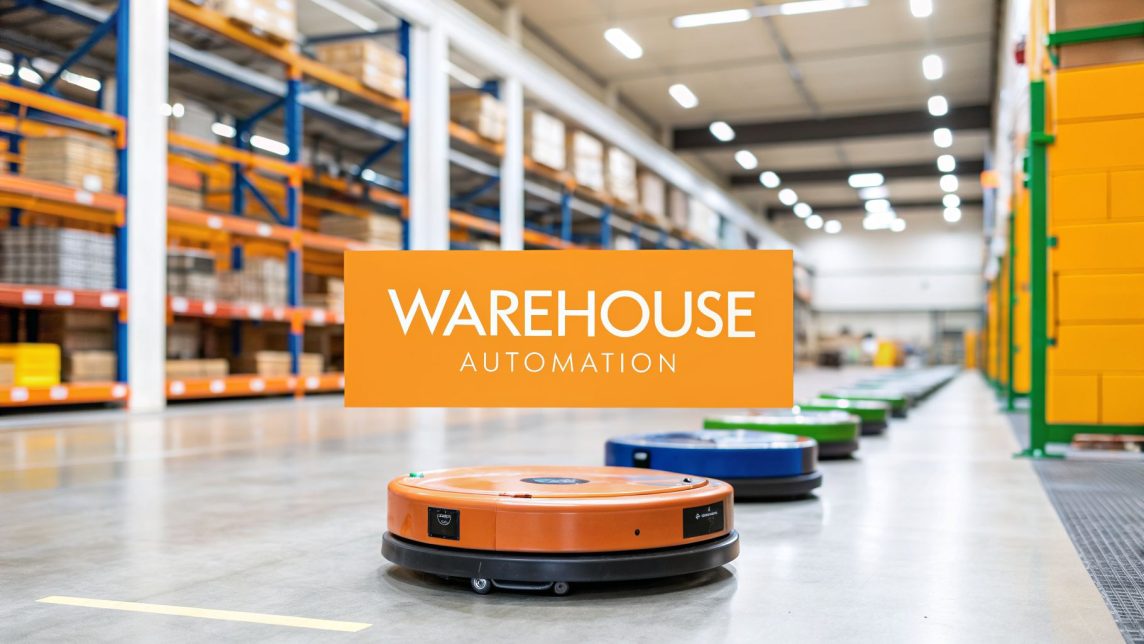
0 Continue Reading →

A Guide to Warehouse Automation Technologies for Ecommerce

If you’ve ever walked through a traditional warehouse, you know the scene: pickers rushing down aisles with paper lists, shelves crammed with disorganized products, and that constant, nagging worry of sending a customer the wrong item. It’s organized chaos at best.

Now, imagine a modern fulfillment center where smart systems guide people and robots with near-perfect accuracy. That’s the reality of warehouse automation, and for today’s e-commerce sellers, it’s quickly shifting from a "nice-to-have" to a must-have.

From Chaotic Shelves to Smart Warehouses

This shift from manual grunt work to automated precision is a game-changer for any growing e-commerce brand, whether you’re a DTC seller or an FBA merchant. A smart warehouse isn’t just about adding a few robots; it’s about integrating the right technologies to crush fulfillment bottlenecks, slash error rates, and scale up fast when you need to.

Your warehouse stops being just a cost center and becomes your secret weapon.

The numbers don't lie. The global warehouse automation market is exploding, hitting around $30 billion in 2026 and on track to double to nearly $60 billion by 2030. This isn't surprising when you see the e-commerce boom—especially for businesses like those SnappyCrate serves, including Amazon FBA sellers and Shopify merchants.

With e-commerce fulfillment projected to grow at a CAGR of 12.5% from 2024 to 2030, automated systems are the only way to meet customer demands for speed while ensuring things like FBA prep are done right every single time. You can find more data on this market growth to see just how fast things are changing.

Why the Shift Is Happening Now

This massive move toward automation isn’t happening in a vacuum. It’s being driven by a perfect storm of challenges that directly hit online sellers: customers now expect lightning-fast, free shipping, while labor shortages and rising wages are making old-school manual operations way too expensive and unreliable.

The core challenge is no longer just storing goods, but moving them with speed, accuracy, and flexibility. Automation is the only scalable solution to this complex problem.

To really get it, let's compare the old way with the new. The table below gives you a quick side-by-side look at how a manual warehouse stacks up against an automated one. The differences are night and day, and they clearly show why so many businesses are making the investment.

Manual vs. Automated Warehousing At a Glance

Operational Area Manual Warehouse Automated Warehouse
Order Accuracy 97-98% (best case) 99.9%+
Fulfillment Speed Limited by human travel time 2-3x faster pick and pack
Labor Dependency High; subject to shortages Low; human staff is augmented
Scalability Difficult; requires hiring sprees Easy; systems handle surges
Inventory Visibility Periodic; prone to errors Real-time and 100% accurate
Space Utilization Inefficient; wide aisles needed High-density; vertical space used

As you can see, the benefits go far beyond just being faster. An automated warehouse delivers higher accuracy, better scalability, and smarter use of your space—all critical advantages for keeping customers happy and your business growing.

Understanding the Core Warehouse Automation Technologies

Trying to get your head around warehouse automation can feel like you’re staring at a dozen different puzzle pieces. But once you see how they connect, it all clicks into place. These technologies aren't just gadgets; they’re a coordinated system that turns a customer's online order into a package on their doorstep with impressive speed and accuracy.

Let's break down the tech that powers a modern warehouse. The best way to think about it is like a highly skilled team.

The Warehouse Management System (WMS) is the brain, calling all the shots. Autonomous Mobile Robots (AMRs) are the legs, hustling goods across the floor. Robotic arms are the hands, grabbing and placing items with superhuman precision. And the whole operation is connected by a nervous system of IoT sensors and RFID tags, giving you a live feed of where everything is at all times.

This image shows just how far warehouses have come—from purely manual work to a fully integrated, automated operation.

A concept map illustrating warehouse evolution from manual processes to automated processes, including a transition phase.

As you can see, automation isn't an all-or-nothing flip of a switch. It’s a journey, moving from total reliance on people to a smart system where technology handles the heavy lifting—both literally and figuratively.

The Brains of the Operation: WMS and WES

At the core of any automated warehouse, you’ll find its software. A Warehouse Management System (WMS) is your central command. It tracks every piece of inventory, every order, and all the labor involved. It knows where every SKU is, how many you have, and what needs to happen next.

But a WMS on its own is mostly for keeping records. To get things moving, you need a Warehouse Execution System (WES). If the WMS is the strategic mind, the WES is the field commander. It takes orders from the WMS and tells the physical equipment—robots, conveyors, and people—exactly what to do, optimizing the workflow in real-time.

These systems are the absolute foundation. Without them, even the most advanced robots are just expensive paperweights.

The Workforce: Robots and Robotic Arms

This is where you can see automation in action. These are the workhorses carrying out the software’s commands, and they come in a few key varieties.

  • Autonomous Mobile Robots (AMRs): Think of these as the smart navigators of your warehouse floor. Unlike older tech, AMRs don’t need fixed tracks. They use built-in maps and sensors to move freely, dodge obstacles, and find the fastest route to carry shelves or bins.

  • Automated Guided Vehicles (AGVs): AGVs are the reliable haulers for simple, repetitive tasks. They usually follow magnetic tape or wires on the floor, which makes them perfect for moving heavy pallets along set paths, like from the receiving dock to a storage area.

  • Robotic Arms: These are the dexterous hands of the operation. Paired with advanced vision systems, they can pick individual items out of a bin (piece picking), sort packages, or build pallets with a speed and consistency no human can match.

Together, these robots take over the most physically demanding and time-sucking manual jobs in the warehouse.

The Eyes and Ears: Scanners and Sensors

So, how does the WMS know what the robots are doing? How does it confirm the right item was picked for an order? That’s where data capture technology comes in, acting as the warehouse's sensory system.

In an automated warehouse, data is just as important as the physical goods. Every scan creates a digital twin of your inventory, pushing accuracy to 99.9% or higher.

The two most common technologies here are:

  1. Barcode Scanners: This is the classic, tried-and-true method for identifying products. From handheld scanners to high-speed tunnels that read packages on a conveyor, barcodes are the bedrock of tracking items from receiving to shipping.

  2. RFID (Radio-Frequency Identification): This is like a barcode on steroids. An RFID tag can be read from a distance without a direct line of sight. This lets you scan an entire pallet of goods instantly just by moving it through a reader portal. Our guide on automated inventory tracking dives deeper into how this works.

While advanced machines are key, good automation is also built on solid fundamentals. Following essential asset tracking best practices is critical for keeping your data clean and getting the most out of your automated systems.

Smart Storage and Retrieval

A warehouse isn't just about moving goods fast; it's also about storing them efficiently. Automated Storage and Retrieval Systems (AS/RS) are designed to maximize your storage space and get inventory in and out quickly.

These systems use shuttles, cranes, or other vehicles to automatically put away and pull items from super-dense storage racks. An AS/RS can more than double a warehouse's storage capacity compared to standard shelving—a huge win for 3PLs and e-commerce brands that need to scale without moving to a bigger building. It turns your vertical space from wasted air into a valuable asset.

How Automation Fuels Ecommerce and 3PL Growth

Let's be honest—cool tech is great, but what really matters is how it impacts your bottom line. Warehouse automation isn't about shiny robots for their own sake; it's a powerful engine for real, measurable growth, especially for e-commerce sellers and the 3PL partners who support them. This technology directly improves everything from customer happiness to your operational costs.

The connection is crystal clear. E-commerce is the primary force pushing warehouse automation forward, expected to hold a 47.21% market share by 2026 and fuel the fastest growth worldwide. For Amazon sellers and DTC brands, this means automation is becoming the new standard. It's how you handle high SKU counts, custom FBA prep, and complex bundling with 99%+ accuracy, flexing from a few hundred orders to thousands per month without breaking a sweat. You can explore the full market analysis on warehouse automation to see the data for yourself.

A package, barcode scanner, and tablet on a conveyor belt in a modern warehouse, symbolizing fast fulfillment.

Driving Near-Perfect Order Accuracy

For any e-commerce brand, a mis-picked order isn't just a simple return. It's a potential negative review, a marketplace penalty, and a dent in your hard-earned reputation. Even the most dedicated teams using manual picking methods typically top out at around 98% accuracy. That 2% error rate quickly becomes a major financial drain as your business scales.

Warehouse automation tackles this problem head-on. By using barcode scanners, vision systems, and guided picking workflows, automation can push order accuracy to over 99.9%.

This level of precision is absolutely critical for Amazon FBA sellers. Incorrectly labeled or bundled products can get entire shipments rejected at Amazon’s fulfillment centers, leading to expensive delays and chargebacks. An automated system makes sure every FNSKU label is right and every kit is assembled perfectly, every single time.

Turbocharging Fulfillment Speed

In a world where two-day shipping is the norm, speed is a massive competitive advantage. Customers now expect their orders almost instantly, and slow fulfillment leads directly to abandoned carts and lost sales.

Automation separates your fulfillment speed from the physical limits of a human workforce. Instead of walking miles of aisles every day, pickers can stay in one area while goods are brought directly to them by AMRs or an AS/RS.

Imagine your order volume spikes 10x during a Black Friday sale. In a manual warehouse, that means chaos. In an automated facility, the system simply speeds up, processing thousands of orders with the same speed and accuracy as it would on a quiet Tuesday.

This speed translates into happier customers and gives you the ability to offer competitive shipping options that boost conversions. For brands looking for a reliable partner, understanding what a 3PL warehouse does shows how this speed is delivered as a service.

Unlocking True Scalability and Flexibility

One of the biggest headaches for a growing e-commerce business is dealing with swings in demand. You might have a slow month, followed by a massive sales spike from a killer marketing campaign. Scaling a manual workforce up and down to match that volatility is both expensive and inefficient.

This is where automation truly shines. An automated system is built to scale. It can run 24/7 without getting tired and handle huge order surges without any drop in performance.

On top of that, modern automation is more flexible than ever. Modular systems like AMRs and portable conveyors can be reconfigured in a flash to adapt to new products or changing workflows. This means a 3PL like Snappycrate can easily tweak its operations to handle your specific needs—from custom kitting projects to seasonal gift sets—without needing to overhaul the entire facility.

Maximizing Storage Density and Efficiency

Let's face it: warehouse space is expensive. The more inventory you can fit into your existing footprint, the more efficient and profitable your operation becomes. Traditional warehouses with wide aisles designed for forklifts and manual picking waste a huge amount of valuable space.

Automated Storage and Retrieval Systems (AS/RS) completely rewrite the rules. By using robotic cranes or shuttles to store and retrieve products in super-dense racking, an AS/RS can boost a warehouse's storage capacity—often by 50% or more.

This allows a 3PL to hold more of your inventory without needing a bigger building, which keeps your storage costs down while ensuring you never run out of stock. It effectively turns unused vertical air space into a productive asset for your business.

Your Practical Roadmap to Implementing Automation

A tablet displays 'Automation Roadmap' in a warehouse, with documents and a pen on a wooden desk.

So you're ready to bring automation into your warehouse? The biggest mistake we see brands make is thinking the first step is buying a robot. It’s not. The real starting point is much more grounded: getting a deep, honest understanding of your current operation.

Jumping straight to shiny new hardware without a plan is like buying a racecar engine when you don’t even have a chassis. To build a smart, scalable automation strategy, you have to think like a seasoned COO and follow a practical roadmap, one that starts with a thorough audit of what’s actually happening on your warehouse floor.

Conduct a Bottleneck Audit

Before you can fix a problem, you have to find it. A bottleneck audit is just a fancy way of saying you need to find exactly where manual processes are slowing you down, costing you money, or causing errors. It means following an order’s journey from the moment a customer clicks "buy" to the second it’s on a truck.

Start by asking the right questions and, more importantly, getting hard numbers to back them up:

  • Picking: How long does it take your team to find and pick the items for an average order? How much of that time is just walking?
  • Packing: Do orders pile up at the packing stations? Are your packers making mistakes choosing box sizes or forgetting to add marketing inserts?
  • Receiving: When a new shipment of inventory arrives, how long does it take to get it unloaded, counted, and ready to sell?
  • Accuracy: What’s your current order error rate? What kinds of mistakes are happening most often?

For many e-commerce brands, the data from this audit points to one massive culprit: the time pickers spend walking aisles. That’s often the single biggest time-waster in the entire fulfillment process.

Adopt a Phased Implementation Approach

Once you know where your biggest pains are, you can start applying automation with surgical precision. A phased approach is always smarter—it minimizes risk, maximizes your return on investment, and lets you build a solid foundation before you go all-in.

A logical, step-by-step progression usually looks something like this:

  1. Software First (The Foundation): Your first and most important investment should be a solid Warehouse Management System (WMS). This software is the brain of your entire operation. It gives you the visibility and control you need to manage everything else. Trying to add robots without a WMS is a recipe for chaos. Our guide on warehouse management for ecommerce breaks down why this software is so critical.

  2. Targeted Physical Automation (The High-ROI Fix): With your WMS brain in place, you can now fix your biggest bottleneck. If walking is eating up all your time, introducing AMRs to bring bins to your pickers (a "goods-to-person" model) can be a game-changer. If packing is the slow-down, an automated packing machine might be the right move.

  3. Integrated Systems (The Full Ecosystem): Over time, you can start connecting more systems. Imagine an AS/RS feeding products onto a conveyor belt that carries them to a robotic arm for sorting. This is how you build a fully orchestrated workflow.

The goal isn’t to automate everything at once. It's about intelligently layering technology. Start with the software brain, then add the robotic muscle where it will have the biggest and fastest impact.

This strategic layering ensures each new piece of tech builds on the last, creating a powerful system that actually works together.

Know When to Partner Instead of Building

Let's be real: for most growing e-commerce brands, building a fully automated warehouse from scratch is a monumental task. It requires massive capital, niche expertise you don't have on staff, and a ton of management overhead.

This is where partnering with a tech-forward 3PL like Snappycrate becomes the smarter play. A partnership gives you instant access to a state-of-the-art technology stack without the seven-figure price tag and implementation headaches. You get all the benefits of automation as a simple operational expense, freeing you up to focus on what you do best: building your brand.

Choosing the Right Automation Partner for Your Business

Picking the right warehouse automation technologies is a huge decision. But for most e-commerce brands trying to scale, the real question isn’t which robot to buy—it’s which fulfillment partner to trust.

Working with a modern, tech-focused 3PL gives you instant access to powerful automation without the massive upfront cost and operational headaches of building it yourself.

But here’s the thing: not all 3PLs are created equal. You have to ask the tough questions to figure out if their tech is actually built for your growth or if it’s just a shiny object in a sales pitch. It’s about making sure their entire system, from software to hardware, is a perfect fit for what you sell and how you sell it.

Evaluating Their Technology Stack

A 3PL’s automation is only as good as the software running it. The first thing you should always look at is their Warehouse Management System (WMS). Can you log in right now and see exactly what’s in stock, what’s on its way, and what’s being picked? If you don’t get real-time, granular visibility, you can’t make smart business decisions.

Beyond the WMS, you need to dig deeper into their day-to-day tech:

  • Scalability: What happens when you have a flash sale and orders 10x? Can their robots and software handle a massive surge without grinding to a halt or messing up orders?
  • Flexibility: Are their systems just for simple pick-and-pack, or can they handle complex jobs like FBA prep, kitting, and creating custom product bundles? Your business isn't one-size-fits-all, and your 3PL's tech shouldn't be either.
  • Integration: How well does their platform talk to your sales channels, like Shopify or Amazon Seller Central? A clunky, slow integration will cause more headaches than it solves.

This blend of smart software and powerful hardware is what’s driving the industry forward. While the warehouse robotics market is set to hit $25.41 billion by 2034, it’s the software—growing at a 14.87% CAGR—that unlocks the real magic. It’s what gives facilities a 15-25% boost in throughput and ensures near-perfect accuracy on complex tasks. You can learn more about warehouse automation market trends to see just how big the opportunity is.

Asking the Right Operational Questions

Once you’ve seen their tech, it’s time to find out how it performs in the real world. A slick demo is one thing, but on-the-ground execution is everything.

A great technology partner doesn't just have impressive machines; they have proven processes that deliver consistent results. Your goal is to find a partner whose operational excellence is powered by their technology, not hindered by it.

A well-run automated warehouse doesn't just happen. It's the result of deep expertise, often guided by an Industrial Automation System Integrator who knows how to make all the complex pieces work together seamlessly. Knowing this helps you appreciate what to look for in a truly top-tier operation.

When you're vetting a potential 3PL, you need a game plan. Use this checklist to cut through the sales talk and get to the answers that actually matter for your brand.

Evaluating a 3PL's Automation Capabilities

Technology Area Key Question to Ask Why It Matters for Your Business
WMS & Visibility Can I access a real-time dashboard of my inventory levels and order status 24/7? Prevents stockouts and enables accurate forecasting.
Picking & Packing What specific technologies do you use to guarantee 99.9%+ order accuracy? Protects your brand reputation and avoids costly returns.
Receiving & Putaway How quickly is our inbound inventory processed and made available for sale? Minimizes the time your products are "off the shelf" and out of stock.
FBA Prep & Kitting Can your systems handle our specific bundling and FNSKU labeling requirements without manual workarounds? Ensures Amazon compliance and helps you avoid costly chargebacks or shipment rejections.

At the end of the day, picking a 3PL partner is a long-term commitment. By asking these detailed, operational questions, you can find a partner whose automation capabilities will become a true extension of your business and a powerful engine for your growth.

The Future of Fulfillment Is Your Competitive Edge

Warehouse automation isn't just about moving boxes faster anymore. The technology is getting smarter and more flexible, giving a huge competitive advantage to sellers who are ready for it.

The real game-changer is how these systems are learning to think ahead. Imagine a warehouse that knows what your customers want to buy even before they add it to their cart. That’s exactly what AI-driven predictive inventory does. It digs into market trends, social media buzz, and your own sales history to predict a sudden surge in demand for a specific product.

Armed with that knowledge, a 3PL can move that high-demand inventory right next to the packing stations. When the orders start pouring in, the products are already in place, dramatically cutting down the time it takes to get them out the door.

The Rise of Hyper-Flexible Robotics

We're also seeing a massive shift away from old-school, single-task robots that were bolted to the warehouse floor. The future is all about robotics that are modular and can adapt on the fly. We’re talking about "plug-and-play" systems you can set up or move in a few hours, not months.

This is a game-changer for the unpredictable world of e-commerce.

  • Adaptive Robots: Think robotic arms that use advanced vision to pick up and handle pallets with mixed items, building a stable stack without needing a human to pre-program every single move.

  • Modular Sortation: Instead of being locked into a fixed conveyor system, fleets of AMRs can instantly form a mobile sortation line. This means the system can expand for Black Friday and shrink back down for a slow Tuesday.

  • Robotics-as-a-Service (RaaS): This subscription model lets 3PLs lease advanced robotics. It makes incredibly efficient automation accessible without needing to make a seven-figure upfront investment.

The takeaway here is simple: using advanced automation—whether you build it yourself or partner with a 3PL like Snappycrate—is no longer just a nice-to-have. It’s essential for survival and growth in a marketplace this crowded.

A fulfillment partner that’s focused on technology isn't just a vendor; they become a core part of your team. They give you the powerful operational engine you need to scale your business, keep up with rising customer demands, and stay ahead of the competition.

Frequently Asked Questions About Warehouse Automation

Jumping into warehouse automation brings up a lot of questions. If you're an e-commerce seller or an operations manager, you’re probably wondering how all this advanced tech actually applies to your business. We get it. Let’s clear up some of the most common concerns.

Is Warehouse Automation Only for Huge Companies?

Not anymore. While the giant corporations were the first ones on board, today's warehouse automation technologies are surprisingly accessible for small and medium-sized businesses—especially when you partner with the right 3PL. You don't have to build a multimillion-dollar facility from the ground up to get in the game.

Flexible models are making it possible for growing brands to tap into automation without the massive upfront investment. A few examples include:

  • Cloud-based WMS: You can get powerful warehouse management software on a subscription basis that scales as you grow.
  • Robotics-as-a-Service (RaaS): This lets you lease robots and treat automation as a predictable operating expense, not a huge capital one.

The smartest move for many brands is to work with a tech-forward 3PL. You get instant access to a complete automated ecosystem that’s already built, tested, and ready to handle your order volume from day one.

What Is the First Step My Business Should Take?

The best first step isn't buying a robot; it's digging into your data to find your biggest operational headache. Before you can pick the right tool, you have to know exactly what problem you're trying to solve.

The goal is to apply technology with surgical precision. Start by identifying the single biggest bottleneck that is costing you time and money—whether it's slow picking, inaccurate packing, or chaotic inventory management.

Once you’ve pinpointed your main challenge, you can look for the specific warehouse automation technologies designed to fix it. For many growing sellers, the most strategic move is simply partnering with a 3PL that has already made these investments, letting you skip the steep learning curve and high costs altogether.

How Does Automation Help with Amazon FBA Prep?

Automation is a game-changer for FBA prep, where every detail matters. Automated systems handle repetitive, rule-based tasks with a level of precision that’s almost impossible to maintain with manual processes. That precision is critical for avoiding Amazon’s costly penalties.

For example, automated systems ensure FNSKU labels are applied perfectly every single time, preventing inbound shipment rejections. Guided or robotic systems can assemble complex product bundles and kits with over 99.9% accuracy. And automated dimensioning tools capture the exact weight and size data, making sure your packages meet Amazon's strict standards and helping you sidestep those surprise fees.


Ready to see how a technology-driven 3PL can transform your fulfillment? Snappycrate combines advanced warehouse automation with hands-on expertise to help you scale flawlessly. Get a quote and streamline your operations today!

0 Continue Reading →

Unlocking Efficiency in Logistics for Modern E-Commerce

When we talk about efficiency in logistics, we're looking at something much bigger than just getting orders out the door fast. It’s the entire operational engine that powers an e-commerce brand’s profitability and keeps customers coming back. Think of it as a finely tuned system where every moving part—from the moment inventory arrives to the final-mile delivery—works together seamlessly to boost speed, cut out waste, and keep costs in check.

What True Logistics Efficiency Looks Like Today

Workers in a large, modern logistics warehouse handle packages on conveyor belts with a 'Logistics Efficiency' sign.

Let's drop the jargon for a second and think of it like this: your logistics operation is a high-performance car. Real efficiency means it's firing on all cylinders. The fuel (your inventory) is managed with precision, the engine (your fulfillment workflow) runs smoothly without a single stutter, and the GPS (your data) finds the fastest, cheapest route to your customer every single time.

When all this clicks into place, the results are undeniable. You’ll see mistakes disappear, delivery times shrink, and operational costs go down. This isn't just about shuffling boxes from point A to point B; it's about building a rock-solid foundation that lets your business thrive on competitive marketplaces like Amazon and Shopify.

At its core, understanding logistics efficiency is part of a bigger picture: learning how to improve operational efficiency everywhere in your business. This perspective helps you see how warehouse activities directly impact your company's bottom line.

The Foundation of E-Commerce Success

For any e-commerce brand today, efficient logistics isn't a "nice-to-have"—it's a matter of survival. A clunky, inefficient operation sends out ripples that can drag down an otherwise great business.

Just think about the real-world impact:

  • Customer Loyalty: Slow shipping or wrong orders are a fast track to bad reviews and lost customers. In a world full of options, one poor experience is all it takes to push a shopper over to your competition.
  • Profit Margins: Every unnecessary step a picker takes, every item that gets misplaced, and every shipping mistake costs you real money. Smooth operations are your best defense for protecting your margins.
  • Scalability: An operation held together with duct tape and good intentions will completely fall apart when order volume spikes. Without efficiency, you create a hard limit on how much your brand can actually grow.

To put it simply, logistics efficiency is the unsung hero of your brand's story. It’s what lets you confidently promise fast shipping, sail through holiday rushes without chaos, and keep your business profitable as you grow.

The Role of a Specialized 3PL

This is exactly where a third-party logistics (3PL) partner steps in. You can think of a 3PL like Snappycrate as the dedicated pit crew for your high-performance race car. They bring the specialized tools, deep expertise, and established infrastructure needed to get every part of your fulfillment engine running at peak performance.

A great 3PL does more than just put your products on a shelf and stick a label on a box. They proactively engineer efficiency into your supply chain, transforming your operations from a necessary expense into a genuine competitive edge. This kind of partnership doesn't just help you keep up with the market—it helps you lead the pack.

The Key Metrics That Measure Logistics Performance

A man in a high-visibility vest reviews logistics KPIs on a tablet in a busy warehouse.

If you want to improve your efficiency in logistics, you first have to measure it. Without hard data, you're just guessing—making changes without knowing if they're actually helping or hurting. Think of key performance indicators (KPIs) as the dashboard for your fulfillment operation, giving you a clear, real-time view of what's working and what's not.

Let's break down five critical metrics that every e-commerce brand should be watching. These aren't just numbers on a spreadsheet; they tell the story of your operational health and directly impact your bottom line.

On-Time Delivery (OTD)

On-Time Delivery (OTD) is simple: it’s the percentage of orders that actually get to your customers by the promised date. This is arguably the most important customer-facing metric you have. It’s a direct reflection of your brand’s promise.

The gold standard here is an OTD rate of 98% or higher. When that number starts to slip, it's a massive red flag. The problem could be anything from slow picking in the warehouse to carrier delays, but the result is always the same: unhappy customers, bad reviews, and a damaged reputation.

Order Pick Accuracy

Order Pick Accuracy tracks the percentage of orders that are picked, packed, and shipped without a single mistake. The goal? To get as close to 100% as humanly possible. Even a tiny error rate can create a huge financial mess.

Think about it. Every time the wrong size, color, or item goes into a box, you trigger a whole chain of costly events. You’re on the hook for return shipping, the labor to process that return, and the cost of shipping the correct item out. It's a logistical nightmare that also chips away at customer trust.

Low pick accuracy is a silent profit killer. The cost of fixing just one wrong order can easily erase the entire margin from that sale.

Inventory Turnover

Inventory Turnover tells you how many times your business sells through its entire stock of inventory in a given period (usually a year). A high turnover rate is a fantastic sign—it means your products are flying off the shelves and you're not tying up cash in slow-moving stock.

Imagine your unsold inventory as stacks of cash sitting in a vault. A low turnover means that cash is just sitting there, collecting dust. It's not being reinvested into marketing, new products, or growth. Plus, you're paying storage fees on it. Healthy turnover keeps your capital flowing and working for you.

For a closer look at the data behind these metrics, check out our guide on using analytics in logistics to drive smarter business decisions.

Warehouse Dwell Time

Warehouse Dwell Time measures how long a product or shipment sits idle inside your facility. This clock starts the moment inventory arrives and stops when an order ships out. Long dwell times are a dead giveaway that you have bottlenecks somewhere in your workflow.

For example, if a pallet of fresh inventory sits on the receiving dock for two days before it's put away, that's two days you can't sell those products. If packed orders sit around for 24 hours waiting for a carrier pickup, you've just added a full day to your delivery promise. Slashing dwell time is a direct path to faster fulfillment.

Cost Per Order

Finally, there's Cost Per Order. This metric bundles up all your fulfillment expenses—labor, boxes, packing materials, shipping, and warehouse overhead—and divides that total by the number of orders you shipped. It’s the ultimate financial scorecard for your logistics operation.

Tracking this KPI tells you if your efficiency efforts are actually paying off. Did you switch to a new packing process or negotiate better shipping rates? If your cost per order goes down, you know you're on the right track. It’s the clearest way to ensure your fulfillment strategy is building a profitable, sustainable business.

Essential Logistics Efficiency KPIs at a Glance

To make it even clearer, here’s a quick summary of these essential metrics. Think of this as your cheat sheet for understanding the health of your e-commerce fulfillment operation.

Metric What It Measures Why It Matters for E-Commerce
On-Time Delivery (OTD) Percentage of orders delivered by the promised date. Directly impacts customer satisfaction and brand loyalty.
Order Pick Accuracy Percentage of orders fulfilled without errors. Prevents costly returns and protects your profit margins.
Inventory Turnover How often you sell through your entire inventory in a year. Ensures capital isn't tied up in unsold stock; frees up cash flow.
Warehouse Dwell Time Time products spend sitting idle in the warehouse. Reveals operational bottlenecks that slow down your entire process.
Cost Per Order The total fulfillment expense for each order shipped. Provides a clear financial view of your operational efficiency.

Keeping a close eye on these five areas will give you the insight needed to spot problems early, make intelligent adjustments, and build a logistics machine that truly supports your brand’s growth.

Finding the Friction in Your Fulfillment Process

Every growing e-commerce brand hits a wall at some point. It’s usually not a marketing problem or a product problem. More often than not, the real culprit is hiding in plain sight: friction in your fulfillment. These are the small, nagging inefficiencies that quietly add up, creating massive bottlenecks that stall your growth, eat into your profits, and chip away at customer trust.

Think of it like driving with the parking brake on. You’re still moving, but you're burning way more gas and putting a ton of strain on the engine. You’ll never hit top speed. Pinpointing these friction points is the first step to releasing that brake and letting your business really fly.

Most of these issues start small. When you're shipping a few dozen orders a day, they're easy enough to work around. But as you scale, those tiny problems snowball into five-alarm fires that consume all your time and energy. Let's walk through the most common ones we see.

The Disorganized Warehouse Maze

A chaotic warehouse is ground zero for inefficiency. When your best-sellers are tucked away in a back corner or there’s no logical system for where things go, your team spends most of its time just wandering around. An order that should take two minutes to pick suddenly takes ten.

This chaos directly torpedoes your most important metrics:

  • Order Pick Accuracy Nosedives: Rushed and confused pickers grab the wrong thing. A messy layout is a recipe for mis-picks, which means more returns and unhappy customers.
  • Cost Per Order Skyrockets: Labor is your biggest operational expense. If your pickers are spending half their time walking and searching, your Cost Per Order is going to be astronomical. That's pure waste—it adds zero value for you or your customer.

An inefficient warehouse layout is like a hidden tax on every single order you ship. It forces your team to work harder, not smarter, and turns your fulfillment operation into a liability instead of an asset.

Breakdowns from Manual Inventory Management

Still running your inventory on spreadsheets and doing manual counts? You’re sitting on a ticking time bomb. It’s slow, riddled with human error, and gives you absolutely no real-time visibility into what you actually have on hand. This is how you end up with surprise stockouts on your most popular products or, just as bad, warehouses full of dust-collecting duds.

When you can't trust your inventory numbers, you can't make smart business decisions. A sudden stockout doesn't just mean a lost sale today; it means a customer who will probably go find it somewhere else and never come back. It also crushes your Inventory Turnover rate because you can't sell what you don't know you have.

The Headaches of Amazon FBA Prep

If you're selling on Amazon, you know FBA prep is its own special kind of challenge. Amazon's rules for labeling, poly bagging, and bundling are notoriously strict and completely non-negotiable. One tiny mistake can get you hit with chargeback fees or, even worse, have an entire shipment rejected at the receiving dock.

For brands doing this in-house, it’s a massive point of friction. Without dedicated space, trained staff, and a dialed-in workflow, FBA prep becomes a slow, expensive, and error-prone nightmare. Every shipment that gets sent back jacks up your Warehouse Dwell Time, leaving your inventory stuck in limbo while you sort out the mess.

Connecting these common problems back to the metrics that matter is how you start to see the real cost of inaction. It’s how you build the case for making a change.

8 Actionable Tactics to Boost Warehouse Efficiency

Warehouse worker scans items from shelves, pushing a cart with a 'Faster Picking' sign.

Knowing where the friction is in your fulfillment process is one thing; actually doing something about it is where the real progress happens. The good news is that boosting efficiency in logistics doesn't mean you have to tear down your entire operation and start over. It’s usually about making a series of smart, targeted improvements that hit your bottlenecks head-on.

Think of these as the hands-on plays you or a savvy 3PL partner can run to get immediate, measurable results. Each tactic is a direct answer to the common pain points we've talked about, creating a clear path to better performance, lower costs, and much happier customers. Let's get into the strategies that truly move the needle.

1. Rethink Your Warehouse Layout and Slotting

The physical layout of your warehouse is the literal foundation of your entire operation. If it's poorly organized, your pickers are forced to take long, meandering routes that add unnecessary time and money to every single order, driving up your Cost Per Order.

The fix often starts with smart slotting—the strategic placement of inventory to slash travel time. This isn't just about finding an empty shelf; it's a data-driven art.

  • Fast-Movers Go First: Your best-selling products need to be in the most accessible spots, right near the packing stations. This one change can cut walk times by 50% or more. It's that simple.
  • Group Products That Sell Together: If customers always seem to buy shampoo and conditioner together, store them next to each other. You've just turned a two-stop trip into a single, efficient grab.
  • Be Smart About Size and Weight: Heavy or bulky items should live at waist level. This makes lifting safer and faster, reducing physical strain on your team and speeding up the process.

A well-slotted warehouse is like giving your team a treasure map where 'X' marks the spot every time. It cuts out wasted motion and turns the picking process from a random maze into a super-efficient assembly line.

2. Implement a Warehouse Management System (WMS)

Trying to run a modern e-commerce operation without a Warehouse Management System (WMS) is like trying to drive through a major city during rush hour with no GPS. A WMS is the central nervous system of your fulfillment, giving you a real-time, bird's-eye view of every single item you own.

It automates the tedious, error-prone tasks that bog down manual operations. A solid WMS gives you perfect inventory tracking from the moment a product hits your receiving dock until it’s on a truck headed to a customer. To see just how deep the impact goes, you can learn more about the fundamentals of a modern e-commerce warehouse management system. This digital backbone prevents surprise stockouts, guarantees near-perfect order accuracy, and spits out the data you need for intelligent slotting and labor planning.

3. Adopt Smarter Picking Methods

The old-school "one order at a time" picking method is fine when you're shipping a handful of orders a day. But as you scale, it becomes a massive bottleneck. This is where more advanced picking strategies become essential for improving efficiency in logistics.

Two of the most effective upgrades are:

  1. Batch Picking: Instead of one order, a picker grabs a "batch" of them. They then walk the warehouse floor once, collecting all the items for all the orders in that group. This simple change dramatically reduces the total distance traveled.
  2. Zone Picking: The warehouse is carved up into different zones, and each picker stays within their assigned area. Orders move from zone to zone on a conveyor or cart until they're complete, like a car moving down an assembly line.

Both strategies are laser-focused on one goal: minimizing how much your pickers have to move. Less walking means more orders fulfilled per hour, which directly lowers your labor costs and gets packages out the door faster.

4. Introduce Automation and Technology

For high-volume sellers on Amazon, Shopify, and Walmart, automation isn't a luxury—it's a powerful catalyst for growth. As customers demand faster and faster shipping, brands and 3PLs are turning to robotics and AI to keep up.

Just look at Amazon's warehouses. AI-powered robots zip around the floor, moving goods and bringing shelves to workers, which massively boosts productivity while cutting down on errors. It’s a clear sign of where the industry is headed.

5. Streamline Specialized Workflows

If you sell across multiple channels, a one-size-fits-all approach to fulfillment won't cut it. You need specialized workflows that are built for the unique demands of each platform, especially for channels like Amazon.

  • Dedicated FBA Prep Stations: Setting up a specific area just for FBA prep can be a total game-changer. This station should be an island of efficiency, stocked with everything needed—label printers, poly bags, dunnage—to create a smooth process for labeling, bundling, and inspection.
  • Efficient Kitting Processes: Do you sell product bundles or subscription boxes? A dedicated kitting area is non-negotiable. This lets your team pre-assemble kits during slower times, so they're ready to fly off the shelf the second an order drops.

By creating these purpose-built workflows, you eliminate friction points and ensure you meet the strict compliance rules of each channel. This prevents the costly mistakes and delays that can sink your brand's reputation and profitability.

How AI and Tech Are Rewiring Modern Logistics

The future of logistics isn't some far-off concept anymore—it's being built right now with intelligent technology. Artificial intelligence (AI) has officially graduated from a buzzword to a practical tool that modern 3PLs use to squeeze every last drop of efficiency out of the supply chain. This isn't about sci-fi robots taking over; it's about smart systems making better, faster, and more accurate decisions at every point in an order's journey.

Think of AI as the ultimate co-pilot for your operations. It can sift through massive amounts of data in ways a human team just can’t, spotting patterns and predicting outcomes with incredible accuracy. This lets a tech-focused 3PL switch from putting out fires to preventing them in the first place.

For e-commerce sellers, this is a game-changer. You get access to enterprise-level tools without the paralyzing upfront investment. A partner like Snappycrate puts the capital into this tech so you can reap the rewards, giving your brand a serious competitive advantage in a market that's always on the move.

AI-Driven Demand Forecasting

One of the biggest headaches in e-commerce is figuring out how much inventory to carry. Order too little, and you're dealing with stockouts and angry customers. Order too much, and your cash is tied up in products collecting dust, eating into your profits. AI-powered demand forecasting helps take the guesswork out of this balancing act.

Instead of just glancing at last year's numbers, these sophisticated systems analyze a whole host of variables:

  • Real-time sales trends and velocity
  • Seasonal peaks and valleys
  • Planned marketing campaigns and promotions
  • External factors like upcoming holidays or even economic shifts

By crunching all this data, AI can predict how much of each SKU you're likely to sell with far greater precision. The result is a finely tuned inventory—you have what you need, right when your customers want it.

Intelligent Route and Carrier Optimization

For any e-commerce brand, shipping is a huge and often complicated expense. Carrier rates are constantly in flux, fuel surcharges pop up, and the fastest delivery route isn't always the most affordable one. AI algorithms slice right through this complexity, instantly analyzing every available shipping option for every single order.

The system looks at the package’s size, weight, destination, and the customer's expected delivery window. Then, it compares rates across multiple carriers in real-time to find that perfect sweet spot between cost and speed. This process ensures every package leaves the warehouse using the most economical method that still hits your customer's delivery promise, directly chipping away at your Cost Per Order.

The impact of AI on logistics isn't just a small step forward; it's a giant leap. Early adopters of AI-enabled supply chain management have seen their logistics costs fall by 15%, inventory levels drop by 35%, and service levels improve by a staggering 65%.

The Competitive Advantage of Technology

The growth here is off the charts. The market for AI in logistics is projected to jump from $26.3 billion in 2025 to almost $708 billion by 2034. You can learn more about what these projections mean for the future of logistics, but the takeaway is clear: the industry is shifting, and fast.

When you partner with a 3PL that has already woven these tools into their operations, you're not just playing catch-up—you're getting ahead. It's the smartest way to make sure your brand is built to compete and win.

Your 90-Day Plan for Logistics Excellence with a 3PL

Switching to a third-party logistics (3PL) partner is one of the biggest moves you can make to scale your e-commerce brand. But what really happens after you sign the contract? It’s not just a flip of a switch.

This practical 90-day roadmap breaks down the entire process into clear, manageable phases. Think of it as your guide to making the transition smooth and setting your partnership up for success right from the start.

This timeline shows just how far logistics technology has come—from the manual grunt work of the past to the automated, AI-driven operations that are possible today.

Infographic showing the evolution of logistics through past, present, and future stages with key technologies.

The whole point of working with a modern 3PL is to tap into this smarter, data-led approach without having to build it all yourself.

Days 1-30: Onboarding and Foundation Setting

The first month is all about getting the foundation right. This is where we focus on discovery, integrating our systems, and getting your inventory safely into its new home. It’s a truly collaborative effort to make sure your 3PL partner understands the ins and outs of your business.

Here's what your checklist should look like:

  • Discovery Call: We’ll do a deep dive with your 3PL’s team to go over your SKUs, typical order volume, special packaging needs, and any unique workflows like FBA prep or kitting.
  • System Integration: This is the tech part—connecting your sales channels (like Shopify or Amazon) to the 3PL’s Warehouse Management System (WMS) so orders can flow through automatically.
  • First Inbound Shipment: You’ll coordinate the arrival of your inventory. A huge piece of this is choosing a freight forwarder company that plays well with your 3PL.
  • Account Setup: We'll finalize billing, set up clear communication channels, and get you access to reporting dashboards so everyone is on the same page.

By the end of this month, the technical connections should be live, and your products should be received, inspected, and stowed correctly in the warehouse.

This initial 30-day period isn't just about moving boxes. It's about transferring knowledge and building the operational blueprint that will guide your fulfillment strategy for years to come.

Days 31-60: Optimization and Workflow Refinement

With the groundwork laid, the second month is all about optimization. Orders are now flowing, which means you and your 3PL can start fine-tuning the process to boost efficiency and bring down costs. This is where a proactive partner really proves their worth.

Key actions during this period include:

  1. Workflow Audits: We’ll review the pick-and-pack process for your specific products. Are there faster ways to get things done? This is where we find those opportunities.
  2. FBA Prep Calibration: If you're an Amazon seller, now's the time to dial in your FBA prep workflows. We’ll make sure every label, bundle, and package meets Amazon's strict standards, every single time.
  3. Initial Performance Review: We’ll start analyzing the first few weeks of data, looking at metrics like Order Pick Accuracy and On-Time Delivery to catch any early trends.

This phase is about going from "it works" to "it works great." The goal is to iron out any little wrinkles and ensure every order is fulfilled with maximum speed and precision.

Days 61-90: Performance Review and Future Planning

In the final month of your ramp-up, the focus shifts to the bigger picture. You now have a solid two months of performance data, giving you a clear view of how the partnership is impacting your business. It's a good time to learn more about a 3PL warehouse and how it can fuel your growth.

The agenda for this phase is all about looking ahead:

  • Quarterly Business Review (QBR): A formal sit-down with your 3PL to go over the KPIs. We'll celebrate the wins and tackle any remaining challenges head-on.
  • Inventory Planning: Using the sales velocity data from the past two months, we can start forecasting inventory needs for the next quarter. This helps prevent stockouts and avoid tying up cash in slow-moving products.
  • Scale Planning: Got a new product launch, a big marketing push, or a holiday peak coming up? Now we can plan for it. We’ll make sure your 3PL is ready to handle any volume spikes you throw at them.

By day 90, your 3PL should feel less like a vendor and more like an extension of your own team—a smooth, efficient, and scalable fulfillment machine powering your brand forward.

Frequently Asked Questions About Logistics Efficiency

Running an e-commerce brand means you wear a lot of hats, and it's easy to get bogged down in the details of fulfillment. Here are some straightforward answers to the questions we hear most often from founders trying to get a handle on their logistics efficiency.

When Should I Partner with a 3PL?

The tipping point is usually when logistics stops being a background task and starts pulling your focus away from what you do best—marketing your products, designing new ones, and talking to your customers. If you find yourself spending more time wrestling with packing tape than growing your brand, that's your sign.

Pay attention to these red flags:

  • You're out of room. Inventory is spilling out of your garage, office, or storage unit. It's officially taking over.
  • You can't keep up. Daily orders are piling up, and you're constantly behind, leading to inevitable shipping delays.
  • Mistakes are creeping in. The faster you try to pack, the more you see wrong items going into boxes and the more customer service emails you get.

If this sounds painfully familiar, you've probably hit the ceiling of what in-house fulfillment can do for you. Handing the reins to a 3PL lets you get back to strategy, knowing the operational side is handled by experts who have the systems to support your growth.

What Is the Difference Between Fulfillment and FBA Prep?

Great question. While a good 3PL can handle both, they are two completely different services designed for different sales channels. Think of them as two separate tools in your multichannel toolkit.

Standard fulfillment is all about getting orders directly to your customers (DTC). We pick the items, pack them, and ship them straight to the person who clicked "buy." FBA prep, on the other hand, is about getting your products ready for Amazon's world.

Fulfillment is customer-facing. FBA prep is Amazon-facing. It involves all the little things Amazon requires before they’ll even accept your inventory, like applying FNSKU labels, poly bagging items, creating bundles, and building compliant case packs. A 3PL that truly understands e-commerce can manage both of these workflows without breaking a sweat.

How Does a 3PL Help Me Scale During Peak Seasons?

This is one of the biggest wins of outsourcing. A 3PL gives you instant access to the space, staff, and systems needed to handle a massive surge in orders—think Black Friday or a viral TikTok moment.

Instead of scrambling to hire temporary workers (and train them) or frantically searching for last-minute warehouse space, you just lean on your partner. A 3PL is built for these peaks.

Your business can expand its capacity overnight without the crippling overhead costs or operational headaches. Then, when things quiet down, you scale right back down. That kind of elasticity is what allows you to capitalize on huge sales opportunities without your operations imploding.


Ready to stop worrying about logistics and start focusing on growth? The team at Snappycrate has hands-on e-commerce experience to build a fulfillment strategy that scales with you. Learn more about our approach and get a quote.

0 Continue Reading →

Warehouse Management Ecommerce: Achieve warehouse management ecommerce success

Your ecommerce warehouse is the beating heart of your entire operation. Think of it less as a storage room and more as a high-stakes command center. How well you manage it directly impacts shipping speeds, order accuracy, and ultimately, your brand’s reputation.

What Is Ecommerce Warehouse Management and Why It Matters

Two men in safety vests discussing fulfillment control in a large warehouse, one pointing with a tablet.

At its core, warehouse management for ecommerce is the hands-on process of organizing and running every daily task that gets a product from your shelf to your customer’s doorstep. It's about making sure every single movement is efficient, accurate, and adds value.

This isn’t just about stacking boxes higher. It’s a strategic game that can turn your biggest logistical headaches into your strongest competitive advantages.

The Unique Pressures of Ecommerce Fulfillment

Running a warehouse for online sales is a completely different ballgame than traditional retail. You’re not shipping predictable, bulk pallets to a few big-box stores. You’re dealing with a massive number of small, unique orders going to thousands of individual addresses.

This creates some serious operational pressure:

  • Demand Volatility: A viral TikTok or a flash sale can cause orders to spike overnight, putting massive strain on your team and processes if you're not prepared.
  • Customer Expectations: Today’s shoppers have zero patience for mistakes. They expect near-perfect accuracy and lightning-fast shipping. One wrong item or a day’s delay can sink a customer relationship for good.
  • Complex Return Logistics: Handling returns (often called reverse logistics) is a huge challenge. You need a solid process to inspect, restock, and process returned items without creating a bottleneck that ties up inventory and cash.
  • Multi-Channel Complexity: If you’re selling on Shopify, Amazon, and Walmart, your inventory levels must be perfectly synced in real-time. Fail here, and you’ll find yourself overselling products you don't actually have.

Core Components of Ecommerce Warehouse Management

Before we dive deep, let's get a bird's-eye view of the key functions that make a warehouse tick. Each component has a specific job, but they all need to work together seamlessly to keep your business running smoothly.

Component Primary Goal Key Impact on Business
Warehouse Layout & Organization Maximize space and minimize travel time for staff. Reduces pick/pack times, increases order throughput, lowers labor costs.
Receiving & Putaway Accurately check in new inventory and store it correctly. Prevents lost inventory, ensures stock is available for sale faster.
Inventory Control & Management Maintain 100% accurate stock counts in real time. Prevents stockouts and overselling, improves cash flow, informs purchasing decisions.
Picking & Packing Fulfill customer orders quickly and accurately. Directly impacts customer satisfaction, shipping speed, and brand perception.
Shipping & Fulfillment Get packages out the door efficiently and with correct labeling. Controls shipping costs, ensures on-time delivery, and meets carrier requirements.
Returns Management (Reverse Logistics) Process returned items efficiently to recover value. Improves customer experience, gets resellable products back in stock faster.
Amazon FBA Prep & Forwarding Prepare inventory to meet Amazon's strict requirements. Avoids FBA non-compliance fees, delays, and rejected shipments.

Each of these areas is a critical piece of the puzzle. A breakdown in one can cause a domino effect across your entire fulfillment operation.

The Rise of Technology and Expert Partnerships

Trying to manage all this complexity with a clipboard and a spreadsheet is a recipe for disaster. That’s why brands are turning to powerful technology and expert partners to keep up. The global market for warehouse management systems (WMS) hit USD 2.76 billion in 2024 and is expected to soar to USD 5.98 billion by 2030. That explosion shows just how critical these tools have become. You can dig into more on the industry’s growth projections for warehouse management systems.

A well-run warehouse doesn't just ship products; it delivers on the brand promise made at checkout. It's the physical manifestation of your commitment to a great customer experience.

This is where a third-party logistics (3PL) partner often becomes a game-changer for growing brands. A 3PL like Snappycrate has the infrastructure, technology, and battle-tested expertise to manage everything from Amazon FBA prep to custom kitting. This frees you up to focus on what you do best: marketing and growing your brand.

The Five Pillars of an Optimized Ecommerce Warehouse

A worker in a warehouse with numbered yellow and white pillars, managing inventory near stacked boxes.

Effective warehouse management for ecommerce isn't one giant task. It's a system built on five interconnected pillars, and if one gets wobbly, the whole operation can come crashing down. Weakness in any single area leads to shipping delays, expensive mistakes, and—worst of all—unhappy customers.

Think of these pillars as the journey your product takes through the warehouse. From the moment it hits your loading dock to the second it’s handed off to a carrier, every step has to be dialed in. Let's break down these five core functions and see how they work together to keep your goods flowing smoothly.

1. Receiving and Putaway

This is where it all starts. The receiving process is your first, best chance to get your inventory count right. It’s way more than just unloading trucks; it’s a systematic check-in to make sure what you ordered is what you actually got.

Your team unloads shipments, inspects for damage, counts everything against the purchase order, and logs each item into your Warehouse Management System (WMS). A simple miscount here or a failure to spot damaged goods will create a domino effect of problems down the line.

Once everything is checked in, putaway is the process of moving that inventory from the dock to its designated home on the shelf. A smart putaway process makes sure items are stored logically so they’re a breeze to find later. Get this first step right, and you've set the foundation for success.

2. Inventory Management

With products neatly shelved, the game shifts to managing them. This pillar is all about knowing exactly what you have, where it is, and how fast it’s moving. It’s the difference between being in control and constantly putting out fires.

Bad inventory management leads to the two biggest nightmares in ecommerce: stockouts and overstocking. Stockouts mean lost sales and frustrated customers. Overstocking ties up your cash and eats up precious warehouse space with products that just sit there.

Effective inventory management isn't just about counting; it's about making your stock work for you. It turns a static asset into a dynamic engine for growth, ensuring capital is invested in products that sell.

To keep things under control, smart warehouses rely on a few proven strategies:

  • ABC Analysis: This method sorts your inventory into three groups. 'A' items are your rockstars—high-value, fast-sellers that need constant attention. 'B' items are your steady performers, and 'C' items are the slow-movers. This helps you focus your energy where it counts.
  • Cycle Counting: Instead of shutting down for a massive annual inventory count, cycle counting involves checking small sections of your inventory continuously. This keeps your accuracy high all year long without disrupting your operations.

3. Order Picking and Packing

As soon as a customer clicks "buy," the picking and packing pillar kicks into gear. This is the most labor-intensive part of the whole process, and every wasted second directly inflates your cost per order and slows down shipping. The goal is simple: grab the right items as fast as humanly possible.

Different picking strategies can make a world of difference:

  • Batch Picking: A picker grabs items for a bunch of different orders all at once. If ten separate orders all need the same popular widget, the picker gets all ten in one trip instead of ten separate trips.
  • Zone Picking: The warehouse is divided into zones, and each picker stays in their assigned area. Orders move from zone to zone on a conveyor or cart until they’re complete.

Once picked, items head to a packing station. Efficiency here is all about ergonomics. Packers need boxes, mailers, tape, and void fill all within arm's reach to minimize movement and get packages sealed, labeled, and ready to go without any delay.

4. Shipping and Fulfillment

After an order is packed and sealed, the fourth pillar takes over: getting it out the door. This means generating the right shipping labels, manifesting packages with carriers, and having a smooth handoff when the trucks arrive for pickup. In a modern warehouse management ecommerce operation, a lot of this is automated.

Integrating your WMS directly with carriers like UPS, FedEx, and USPS is a must. This allows for automatic rate shopping to find the best price for the delivery speed you need. Automation also kills manual data entry, which is a huge source of errors like typos in addresses. For a deeper look, check out our guide on the details of ecommerce order fulfillment services.

5. Returns Management

The final pillar—and one that’s too often an afterthought—is returns management, also known as reverse logistics. Returns are just a fact of life in ecommerce. A slow, painful returns process can kill a customer relationship for good, but a fast, easy one can actually build loyalty.

The process involves receiving returned items, inspecting them, and deciding what happens next. Can it be restocked and sold as new? Does it need a little TLC? Or is it destined for liquidation? A solid system gets sellable products back into active inventory fast, recovering their value instead of letting them collect dust in a corner.

Getting Fast and Accurate: The Core Processes That Matter

In ecommerce warehouse management, everything boils down to two things: getting the right product to the right person (accuracy) and doing it faster than anyone else (speed). A lot of people think these two are at odds, but they're not. In fact, a process built for accuracy naturally becomes faster because you're not wasting time fixing mistakes.

Think of your warehouse like a high-performance engine. For it to run at its best, every single part has to work perfectly. Accuracy is the clean fuel, and speed is the horsepower you get from it. Let's look at the core processes that get your engine running on premium fuel at full throttle.

Lock Down Your Accuracy with Technology

Let's be honest: human error is the biggest threat to your order accuracy. Even your best team members can grab the wrong SKU or miscount inventory on a busy day. The goal isn't to replace people, but to give them tools that make it almost impossible to mess up.

The single best tool for this job is barcode scanning. When you put scanning at every key step, you create a digital paper trail for every single item that moves through your warehouse.

  1. At Receiving: Scan items as they come off the truck. This confirms you got what you ordered and instantly updates your inventory counts. No more guesswork.
  2. During Putaway: Scan the item, then scan its shelf location. This guarantees it's stored in the right spot so it can be found easily later.
  3. For Picking: Pickers scan the shelf location and then the product itself. This double-check confirms they've grabbed the correct item before they even move on to the next one.
  4. At Packing: One final scan before the box is taped shut acts as a last line of defense, verifying the order's contents one more time.

This disciplined approach can push your order accuracy rates above 99%. That means far fewer costly returns and a lot less time spent on customer service headaches.

Warehouse accuracy isn't about hoping for perfection; it's about building a solid process. By building simple checks and balances into every step, you systematically design errors out of your workflow and create a reliable experience your customers can count on.

Another game-changer is cycle counting. Instead of doing one massive, painful physical inventory count once a year (and shutting down operations to do it), cycle counting involves checking small sections of your warehouse continuously. It's a proactive way to keep your inventory numbers tight all year long, ensuring the stock levels on your website are actually what you have on the shelf.

Engineer Speed into Your Operations

Once you have accuracy dialed in, you can start focusing on speed. Speed in the warehouse isn't about rushing; it's about eliminating wasted movement. The number one time-waster for pickers is travel—all that time spent walking back and forth between aisles.

The first fix is optimizing your warehouse layout. Put your fastest-moving products (your "A" items) closest to the packing stations. It's a simple change, but it can dramatically cut down on travel time for the bulk of your orders and boost how many orders a single picker can handle per hour.

Next, you need smart picking strategies like batching. Instead of sending a picker out to grab items for one order at a time, you can have them gather all the items needed for a group of 10 or 20 orders in a single trip. This is where a good Warehouse Management System (WMS) is essential—it can analyze your orders and automatically create the most efficient batches and pick paths for your team.

How Speed and Accuracy Impact FBA Prep

These principles are absolutely critical when you're preparing shipments for Amazon FBA. Amazon’s receiving process is known for being incredibly strict. Any little mistake can lead to delays, extra fees, or even entire shipments being rejected. With the market for e-commerce warehousing projected to hit $64.32 billion by 2030, you can bet that competition for space and attention is only getting tougher.

This is where speed and accuracy in your own FBA prep process become your best defense.

  • Compliant Labeling: Every single unit needs a perfect, scannable FNSKU label. There's no room for error here.
  • Correct Kitting: If you're bundling multiple products into a single package, it has to be done with precision. Our team put together a guide that explains why this is so important and breaks down what kitting in logistics is and how to nail it.

Getting this stuff right the first time means your inventory won't get stuck in an Amazon receiving logjam. It turns a potential nightmare into a smooth, seamless handoff.

Choosing the Right Warehouse Technology and Tools

Your technology stack is the engine that powers your entire fulfillment operation. Without the right tools, even the best processes will sputter and stall. Smart tech investments are what separate the brands that scale smoothly from those that get tangled up in logistical knots.

The absolute center of that tech stack is your Warehouse Management System (WMS). Think of it as the brain of your warehouse—a central command hub that directs every single activity, from the moment new inventory arrives to the second you print a customer’s shipping label. A solid WMS gives you real-time visibility and control over every unit you own.

Selecting Your Warehouse Management System

Choosing a WMS is a huge decision, whether you're bringing one into your own building or evaluating the system used by a potential 3PL partner. The right platform should feel like a natural extension of your business, not some clunky piece of software that just creates more work.

When you're looking at a WMS, focus on these must-haves:

  • Seamless Integrations: Your WMS has to connect effortlessly with the sales channels you depend on, especially giants like Shopify and Amazon. This is non-negotiable. It ensures order and inventory data flow automatically, preventing the kind of overselling that destroys customer trust.
  • Scalability: Can the software handle 100 orders a day just as easily as it handles 1,000? A truly scalable WMS grows with you. It saves you from a costly and chaotic migration down the road when your order volume explodes.
  • Actionable Reporting: The system should give you clean, easy-to-read reports on key metrics like inventory turnover, order accuracy, and picking efficiency. This isn't just about having data; it's about getting the insights you need to make smart, proactive decisions for your operations.

Beyond the WMS: Practical Automation Tools

If the WMS is the brain, other tools act as the hands and feet, executing tasks with speed and precision. You don’t need a warehouse full of robots to get a great return on your investment. In fact, a few practical pieces of automation can deliver immediate improvements.

This is where you start building momentum. As this infographic shows, everything starts with accuracy, which then unlocks speed and efficiency.

Infographic illustrating a 4-step warehouse optimization process: Accuracy, Speed, Efficiency, and Profitability.

It all builds on itself. Foundational tools like barcode scanners are the first step toward locking down accuracy. Once you have that, you can introduce tools that enable faster, more efficient workflows.

Consider these high-impact tools:

  • Barcode Scanners: As we've mentioned, these are non-negotiable for hitting near-perfect accuracy. They kill manual data entry, confirm every pick is correct, and give you a digital trail for every single item.
  • Conveyor Systems: For operations with higher volume, simple conveyor belts can dramatically cut down the time your staff spends just walking around. They move picked items from the aisles to the packing stations, keeping your team focused on the tasks that actually add value.
  • Pick Path Optimization Software: Many modern WMS platforms include this feature. It uses algorithms to map out the most efficient route for pickers to travel through the warehouse, minimizing their steps and maximizing the number of orders they can fulfill per hour.

Technology should be a growth enabler, not a limitation. The right tools empower your team to work smarter, not just harder, turning your warehouse into a true competitive advantage that supports your ecommerce brand’s expansion.

When it comes down to it, you're either investing in your own technology or you're "renting" the technology of your fulfillment partner. The table below breaks down what you should think about in either scenario.

WMS Selection Criteria vs. 3PL Partnership Benefits

Consideration In-House WMS Partnering with a Tech-Forward 3PL (like Snappycrate)
Initial Cost & Setup High upfront investment in software licenses, hardware, and implementation services. Can take months to deploy. Zero upfront tech cost. You get immediate access to a mature, fully integrated WMS that’s already running.
Integrations You are responsible for building and maintaining connections to Shopify, Amazon, etc. This requires technical expertise. Pre-built, professionally managed integrations are already in place. It's a plug-and-play experience.
Scalability & Maintenance You bear the cost and complexity of software updates, server maintenance, and scaling the system as you grow. The 3PL handles all updates, security, and performance tuning. Their system is built to handle massive scale from day one.
Expertise Your team needs to become experts in using and troubleshooting the WMS, which can distract from core business goals. You benefit from a team that lives and breathes their WMS daily. They are true experts who can optimize its use for you.
Reporting & Visibility You configure and run your own reports. Data might be limited to what your specific WMS tier provides. Gain access to sophisticated, enterprise-level reporting and analytics that would be too expensive to buy on your own.

Ultimately, your technology choices—or the technology of your fulfillment partner—will define your operational ceiling. By asking the right questions and focusing on integration, scalability, and practical automation, you ensure your tech stack can support your brand's ambitions for years to come.

When to Partner with a 3PL for Ecommerce Fulfillment

Every successful ecommerce brand eventually hits a wall. It’s that moment when managing fulfillment in-house stops being a smart, scrappy move and starts actively holding your business back.

Recognizing this tipping point is one of the most important things you can do to scale. You might be there right now if your day is more about packing boxes than making sales, or if your garage is so full of inventory you can barely walk through it. For many, the final straw is the headache of Amazon FBA prep, where one tiny mistake can get your shipment rejected.

Identifying the Tipping Point

So, how do you know it’s really time to hand things over? The signs are usually obvious long before total chaos hits. They're the daily frustrations that slow you down and burn you out.

It’s probably time to look for a partner when:

  • You're Losing Focus: You're spending more energy troubleshooting shipping problems, ordering tape, and managing staff than you are on marketing, product development, or customer service—the things that actually grow your brand.
  • Space Is Disappearing: Your current storage is completely maxed out. Renting a bigger warehouse is a massive commitment, locking you into long-term leases, insurance costs, and the expense of hiring staff.
  • Order Volume Is Overwhelming: Your team simply can’t keep up. Orders are piling up, shipping is delayed, and customers are starting to notice. This goes from a small problem to a full-blown crisis during peak season.

The holiday rush magnifies every tiny inefficiency. Deloitte's 2025 holiday retail forecast predicts U.S. sales will hit between $1.61 trillion and $1.62 trillion. That kind of demand will turn a simple space crunch or a spreadsheet-based inventory system into a serious threat to your brand’s reputation.

The Strategic Advantages of a 3PL Partnership

Working with a third-party logistics (3PL) provider is about so much more than just getting boxes out the door. It’s a strategic decision to plug your business into an expert infrastructure that would cost you a fortune and years to build yourself.

A great 3PL doesn't just work for you; they become an extension of your team. Their expertise in logistics and fulfillment becomes your competitive advantage, allowing you to deliver a world-class customer experience without the operational burden.

A specialized 3PL gives you instant access to:

  • Discounted Shipping Rates: 3PLs ship millions of packages a year, which gives them access to heavily discounted rates from carriers like UPS, FedEx, and USPS. They pass those savings directly to you.
  • Scalable Space and Labor: A 3PL’s resources expand as you grow. You only pay for the space and labor you actually use, whether you're shipping 100 orders a month or 10,000.
  • Expertise and Technology: You get a professional team and an enterprise-level Warehouse Management System (WMS) without the six-figure price tag. They are experts in complex tasks like kitting, returns management, and FBA prep.

Choosing the right partner is critical. You aren’t just giving them your inventory; you're trusting them with your customer experience. You can learn more about what a 3PL warehouse does in our detailed guide. This partnership can transform your fulfillment from a costly headache into a powerful, scalable asset.

Measuring Success with Warehouse Performance Metrics

You can't fix what you can't measure. In ecommerce warehouse management, data is your best friend—it’s the compass that points you toward efficiency and away from costly mistakes. Key Performance Indicators (KPIs) are the vital signs of your fulfillment operation, telling you exactly where you’re excelling and where you’re bleeding money.

Moving past a vague feeling of being "busy," these metrics give you a crystal-clear, objective look at your performance. They let you have real, data-driven conversations with your team or 3PL partner about what’s actually working, turning “continuous improvement” from a buzzword into a daily reality.

Essential KPIs for Ecommerce Warehouses

To get a true snapshot of your operational health, you don’t need a dozen different reports. Start by focusing on a few high-impact metrics that give you a balanced view of customer satisfaction, inventory health, speed, and cost.

  1. Order Accuracy Rate: This is the ultimate measure of getting it right for the customer. It calculates the percentage of orders you ship without a single error—no wrong items, no incorrect quantities, no mistakes. A high rate means happy customers who trust you, and that’s the foundation of any successful brand.

    • Calculation: (Total Orders - Orders with Errors) / Total Orders * 100
    • Industry Benchmark: The best warehouses hit 99.8% or higher, consistently.
  2. Inventory Accuracy Rate: This KPI tells you if the number of units in your software matches what’s actually sitting on your shelves. A low score is a huge red flag. It’s the reason you get surprise stockouts, oversell products you don’t have, and tie up cash in inventory you forgot existed.

    • Calculation: (Counted Inventory / WMS Inventory) * 100
    • Industry Benchmark: Aim for 99% or better to keep your operations running smoothly.

Think of your KPIs as the voice of your operation. A dropping Order Accuracy Rate is a customer shouting about a mistake. A low Inventory Accuracy Rate is a quiet warning that your finances are at risk.

Measuring Speed and Financial Health

Beyond getting orders right, you need to know how fast and how cheaply you can get them out the door. These metrics shine a light on bottlenecks and show you exactly where you can cut costs without sacrificing quality.

  • Dock-to-Stock Time: This is how long it takes for a new shipment to arrive at your warehouse, get processed, and be put away, ready for sale. The faster you can do this, the faster you can start making money on new products. A long dock-to-stock time points to a clunky receiving process.

  • Cost Per Order: This is your bottom-line metric. It calculates the total warehouse cost—labor, boxes, tape, overhead—to get a single order into a customer's hands. Tracking this number tells you if you're actually profitable on each sale and shows the real financial impact of any improvements you make.

By keeping a close eye on these core metrics, you stop guessing and start making strategic decisions. This data-first approach is non-negotiable for any brand that wants to scale up and turn its fulfillment from a cost center into a true competitive advantage.

Ecommerce Warehousing FAQs

As you scale your brand, you’ll inevitably run into new fulfillment questions. Making the leap from your garage to a professional operation is a big deal, so it's only natural to have a few things on your mind. Here are the straight-up answers to the questions we hear most often from growing ecommerce businesses.

What Is the Biggest Warehouse Mistake Growing Brands Make?

The single biggest mistake is waiting too long to adopt a real system for warehouse management. So many brands stick with manual processes and messy spreadsheets way past their expiration date. They think they're saving money, but the cost of mis-picks, lost inventory, and painfully slow shipping adds up fast.

This "we'll deal with it later" approach creates a chaotic fulfillment ceiling that literally stops you from growing. By the time brands realize they’re in deep, they're already drowning in orders and facing a rushed, stressful transition. The secret is to get a structured system in place before the chaos takes over.

How Does 3PL Pricing Actually Work?

At first glance, it can seem complicated, but 3PL pricing usually boils down to a handful of fees for the specific services you use. It's a pay-as-you-go model that's often far more affordable than the fixed costs of leasing your own warehouse (rent, labor, insurance, etc.).

You'll typically see fees for:

  • Receiving: A charge for taking in your inventory, inspecting it, and logging it into the system.
  • Storage: A monthly fee based on how much space your products take up, usually measured by the pallet or cubic foot.
  • Pick & Pack: A fee for every order we fulfill. This can vary depending on how many items are in the order.
  • Shipping: The actual postage cost from the carrier. The good news is, you get access to our deeply discounted rates.

A 3PL’s real power comes from economies of scale. They combine the shipping volume of hundreds of brands to negotiate incredible rates with carriers—an efficiency that’s nearly impossible for a single brand to achieve on its own.

What Is the Difference Between a Warehouse and a Fulfillment Center?

This is a really important distinction. Think of it this way: every fulfillment center is a warehouse, but not every warehouse is a fulfillment center. A traditional warehouse is built for long-term storage of bulk goods, usually on pallets. Its main job is just to hold stuff.

An ecommerce fulfillment center, on the other hand, is a high-energy hub built for speed and accuracy. It's specifically designed to process thousands of small, individual customer orders every day. The technology, the layout, and the team are all optimized for one thing: picking, packing, and shipping directly to your customers, fast.

How Can I Guarantee a Smooth Amazon FBA Inbound Process?

Success with FBA comes down to one word: compliance. Amazon has incredibly strict rules for how your inventory needs to be prepped, labeled, and packaged before it even thinks about hitting their docks. One tiny mistake can lead to hefty fees, rejected shipments, or your products sitting in a trailer for weeks.

The absolute best way to guarantee a smooth inbound process is to work with a partner who lives and breathes FBA prep. They know every little detail of Amazon's rulebook—from applying the right FNSKU labels and using the correct poly bags to building compliant case packs. That expertise eliminates the risk of errors, ensuring your inventory gets checked in fast and is ready to sell without a hitch.


Ready to stop worrying about fulfillment and get back to growing your brand? Snappycrate offers expert 3PL services, from fast and accurate order fulfillment to flawless Amazon FBA prep. Let us become an extension of your team. Get started with Snappycrate today!

0 Continue Reading →