When you first start out in e-commerce, “warehousing” is your garage, and “packaging” is a late-night scramble to the post office. But as your brand grows, these two activities stop being separate chores and merge into a single, powerful system: the hidden engine that truly drives your business.
The Hidden Engine of Your E-Commerce Business
For many sellers, the terms warehousing and packaging feel disconnected. One is about shelves and inventory counts; the other is about boxes and tape. But to scale successfully, you have to see them as one integrated process.
Think of it like a professional kitchen. Your warehouse is the mise en place—the prep station. It’s where every ingredient (your inventory) is received, sorted, and stored with absolute precision. Every SKU has its designated spot, ready to be grabbed the second an order dings. A clean, organized prep station is the only way a kitchen can handle the dinner rush.
More Than Just Boxes and Shelves
If warehousing is the prep, then packaging is the final plating. It’s not just about getting the product into a box. It’s about protecting what’s inside, making sure it looks great, and giving your customer that "wow" moment when they open it. The right packaging ensures your hard work arrives intact and reinforces the quality and care you put into your brand.
When you nail this combination, the benefits are huge:
- Faster Fulfillment: An organized warehouse means your team can pick and pack orders faster. That's how you shrink the time from click to ship.
- Happier Customers: A great unboxing experience with zero damage is what turns a first-time buyer into a loyal fan.
- A Healthier Bottom Line: Efficient operations mean lower labor costs, less money wasted on replacing damaged goods, and more repeat business.
In short, mastering warehousing and packaging isn't just a logistical headache to be managed—it's a massive competitive advantage. It's what separates the brands that are just getting by from the ones that are built to last.
This isn't just talk; the numbers back it up. The global packaging market was valued at USD 1.28 trillion in 2026 and is expected to hit USD 1.75 trillion by 2035. That explosive growth is almost entirely fueled by e-commerce, which shows just how critical expert logistics have become. You can explore more data on the packaging market's expansion to see what this trend means for online sellers.
To help you visualize how these two functions work together, let's break down their core activities.
Core Functions of Packaging and Warehousing
This table shows how warehousing provides the foundation (the 'Where') and packaging executes the final steps (the 'How') in the fulfillment journey.
| Function | Warehousing Activity (The 'Where') | Packaging Activity (The 'How') |
|---|---|---|
| Receiving | Checking in new inventory, inspecting for damage, and entering it into the system (WMS). | Sourcing and stocking packaging materials like boxes, mailers, and dunnage. |
| Storage | Organizing products on shelves, bins, or pallets for easy and efficient access. | – |
| Order Processing | Picking the correct items from their storage locations based on a customer's order. | Selecting the right-sized box or mailer for the specific order. |
| Preparation | Bringing picked items to a dedicated packing station. | Assembling the product, adding protective dunnage, and including any inserts. |
| Shipping | Sealing the package, applying the shipping label, and sorting it for carrier pickup. | Ensuring the final package is secure, correctly labeled, and meets carrier rules. |
As you can see, you can't have efficient packaging without organized warehousing. One flows directly into the other.
As your business grows, this relationship becomes impossible to ignore. Understanding how to optimize both is the first step toward building an operation that can handle anything you throw at it. In this guide, we’ll walk you through the entire journey—from the moment inventory hits your dock to the second it lands on your customer’s doorstep.
Tracing Your Product's Journey Through the Warehouse
So, what actually happens to your products after they leave the factory and hit a 3PL warehouse? For many e-commerce sellers, it feels like a total black box. You send off pallets of your hard-earned inventory and just cross your fingers that orders go out correctly.
Let's pull back the curtain and follow your product’s journey, step-by-step.
This whole workflow is built for one thing: getting the right product to the right customer, fast. It’s a world away from the chaos of managing inventory in a garage or the back room of a shop. The process kicks off the second a truck with your goods pulls up to the warehouse receiving dock.
Step 1: Receiving and Inbound Processing
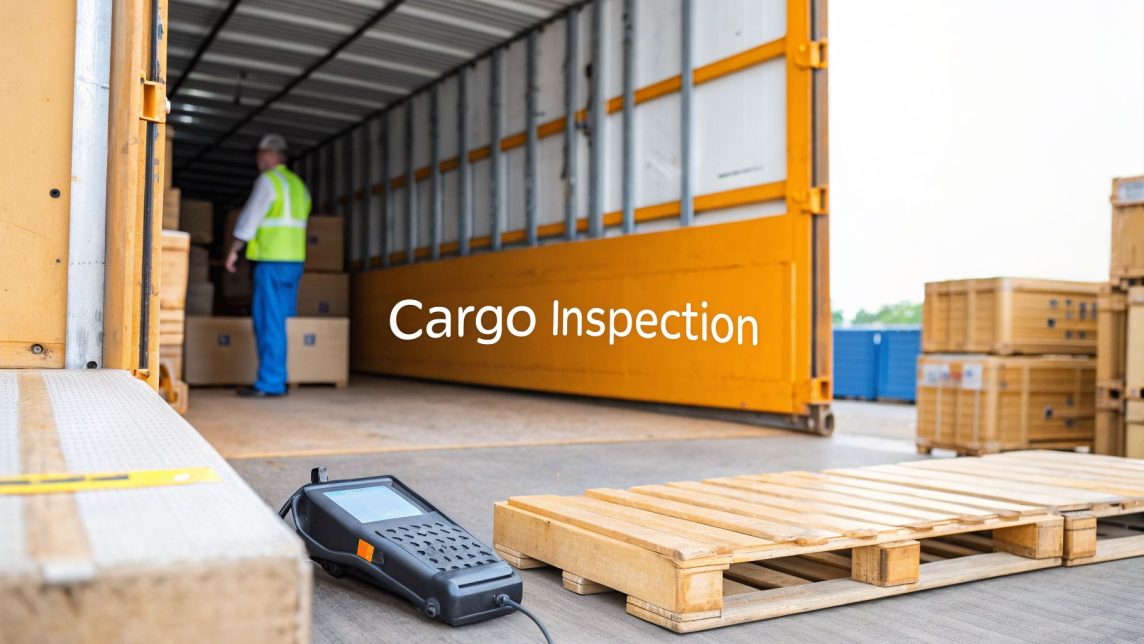
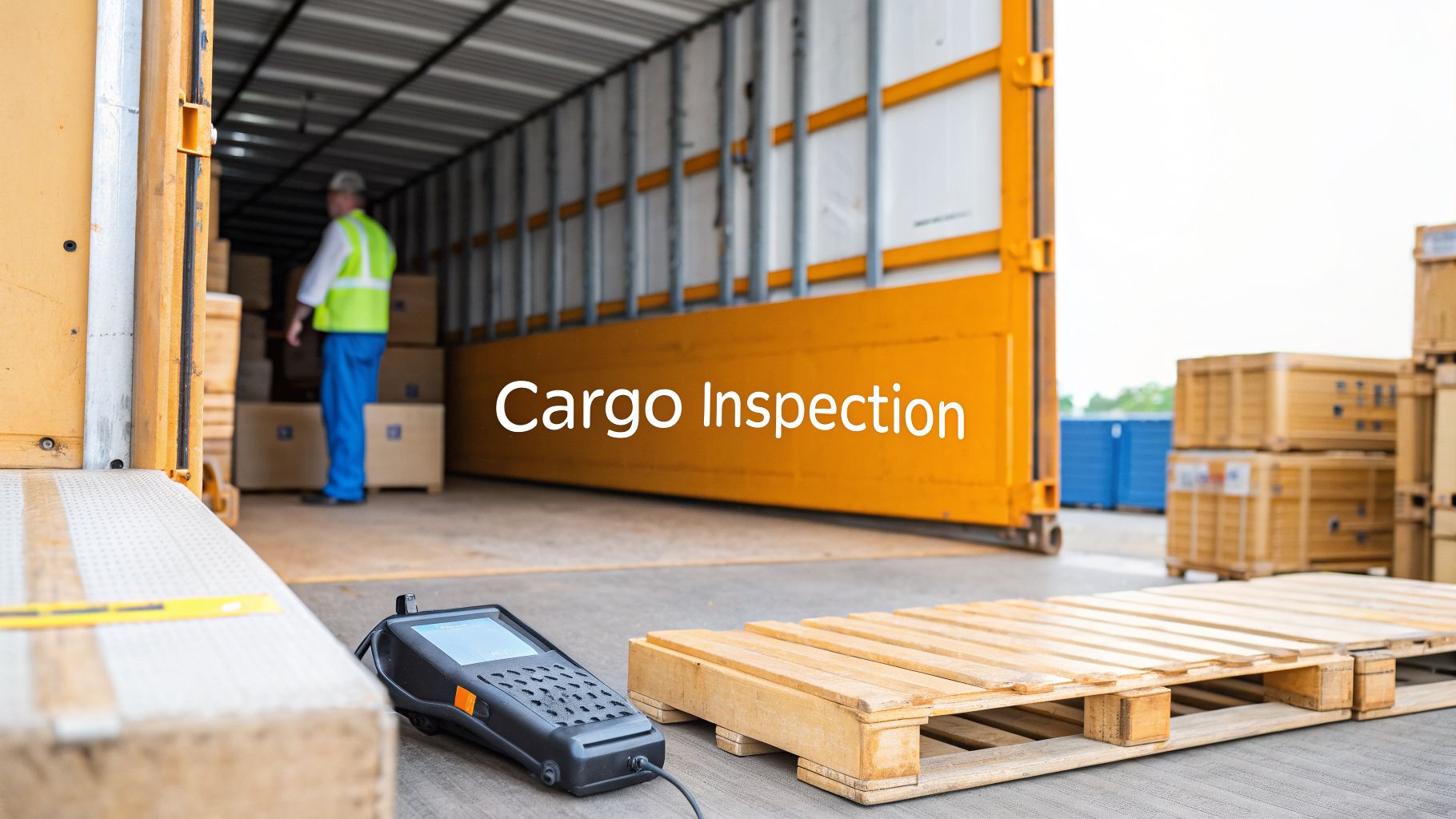
The first step is what we call inbound receiving. This is far more than just unloading boxes; it’s the first and most important checkpoint for your inventory. The warehouse team immediately gets to work, inspecting the shipment to make sure the quantity matches the advance shipping notice (ASN) you sent. They’re also on the lookout for any damage that might have happened in transit.
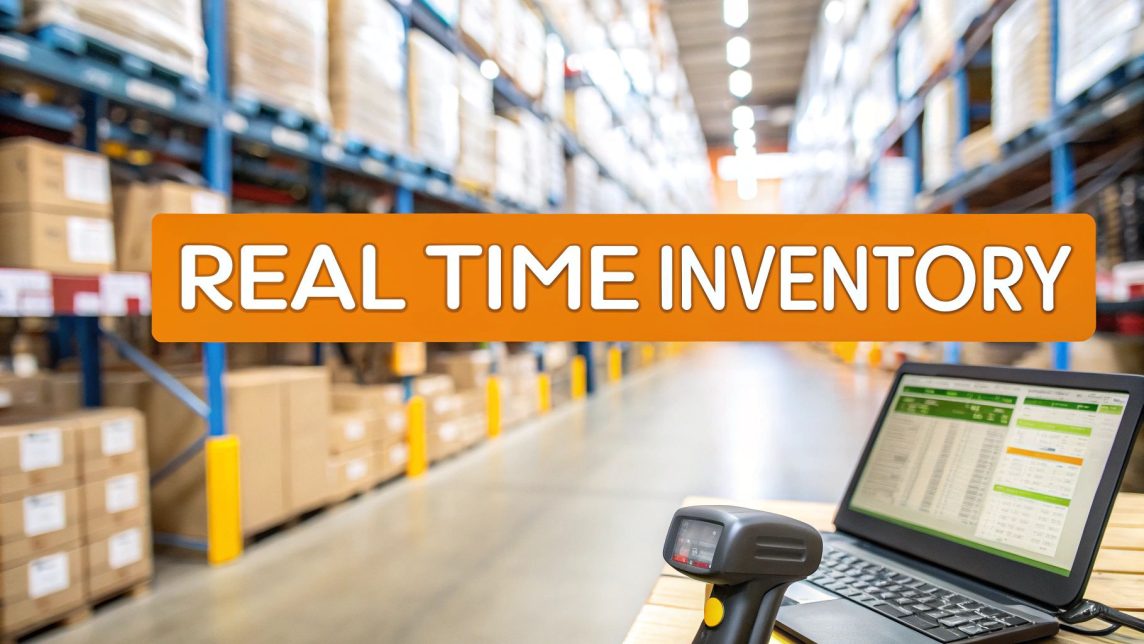
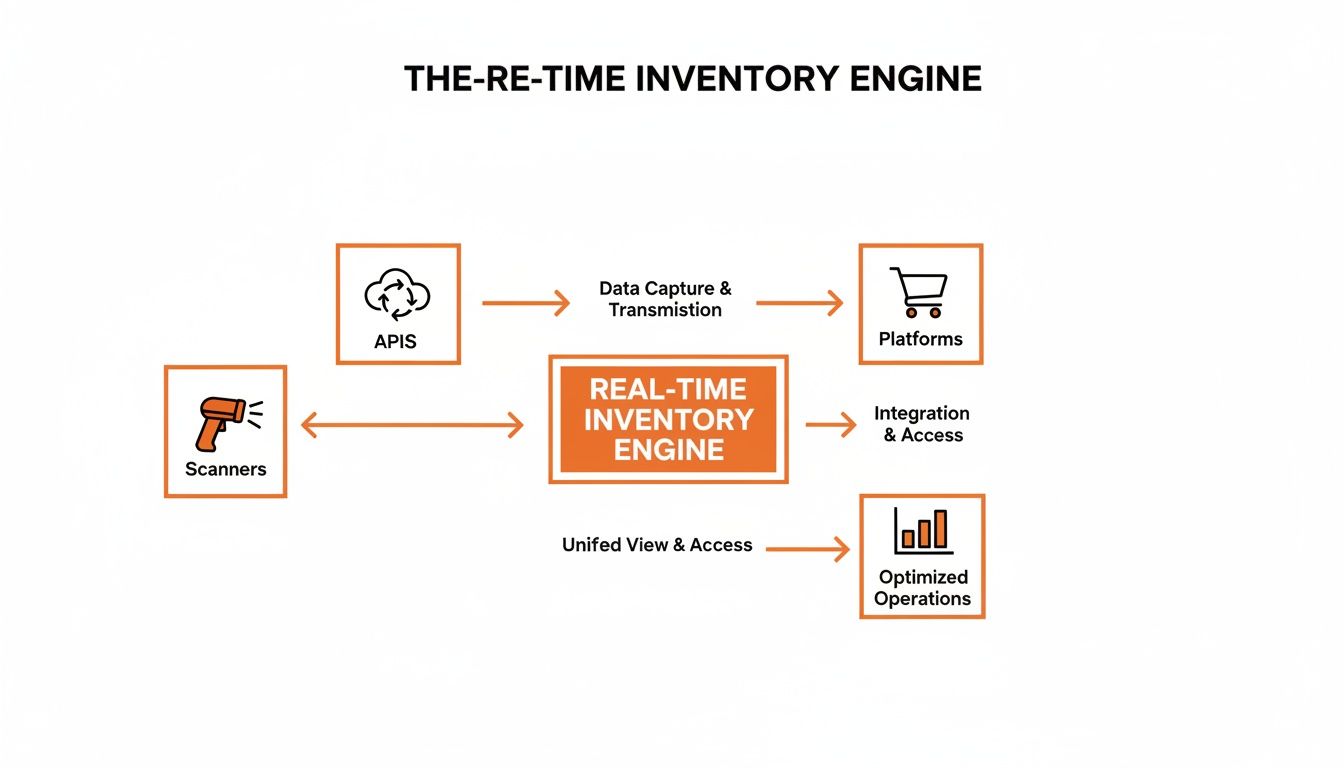
Once everything is verified, your inventory is scanned into the warehouse management system (WMS). Think of the WMS as the digital brain of the entire operation. It assigns a unique ID to your products, making every single item trackable from that moment on. This is what gives you that real-time visibility into your stock levels.
Want to see how a professional 3PL handles this crucial first step? Check out our detailed guide on the receiving and inspection process.
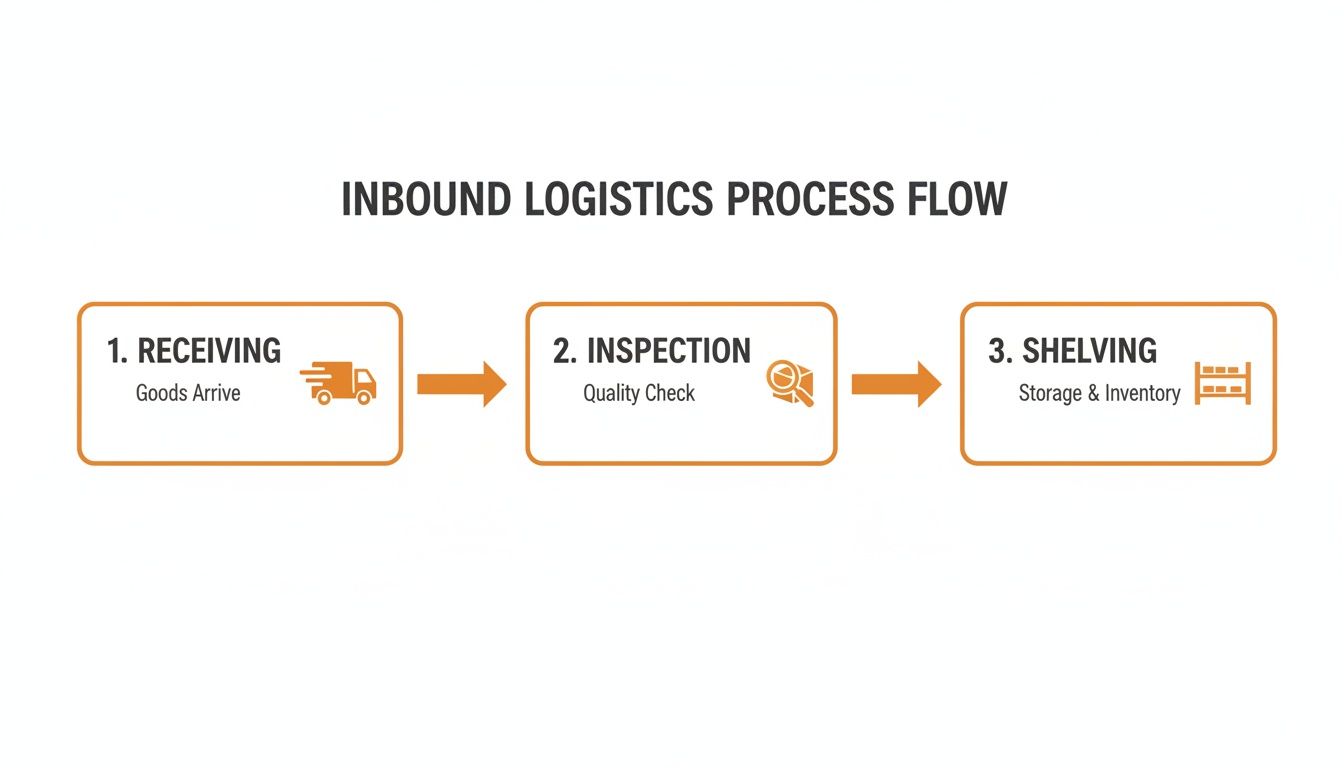
The diagram below shows the basic flow from receiving to shipping.

As you can see, receiving, storing, and packing aren't just separate tasks. They're connected parts of a fluid system designed to handle your goods with precision.
Step 2: Smart Storage and Inventory Management
With your products checked in, they’re moved into storage. But this isn't random. The WMS tells the team exactly where to put everything—specific bins, shelves, or pallet racks—a process called putaway. This is all optimized for picking speed, so your fastest-selling products are always in the most accessible spots.
Your inventory doesn't just sit there collecting dust, either. A good warehouse performs regular cycle counting, which means counting small sections of inventory on a rotating basis. This is way more effective than a massive, disruptive annual count and helps us spot any discrepancies almost immediately.
By constantly checking physical counts against the WMS data, a 3PL can keep inventory record accuracy at 99% or higher. That level of precision is the bedrock of reliable fulfillment and stops you from overselling products you don't actually have.
To get a complete, end-to-end view of your products, many brands use advanced Supply Chain Management (SCM) software. These powerful systems give you the deep visibility needed to track every step of your product's journey.
Step 3: Order Picking and Packing
The moment a customer clicks "buy" on your Shopify or Amazon store, your e-commerce platform pings the WMS. Instantly, a digital "pick ticket" is created, sending a warehouse associate out to grab the exact items for that order. This is where all that smart, organized storage really pays off.
To make this lightning-fast, warehouse pros use a few different methods:
- Batch Picking: A picker gathers all the items for a bunch of different orders at the same time, cutting down on travel time across the warehouse floor.
- Zone Picking: Each picker owns a specific zone. They grab the items from their area and pass the order along to the next zone until it's complete.
Once picked, the items land at a packing station. A packer grabs the right-sized box or mailer, adds any protective dunnage like bubble wrap, and pops in any marketing inserts you want included. This is where packaging and warehousing truly come together—blending storage efficiency with brand presentation.
Finally, the package is sealed, weighed, and a shipping label is printed and stuck on. From there, it’s sorted with other packages going to the same carrier (like UPS or FedEx) and staged for daily pickup. Just like that, it's on its way to your customer, and the tracking information is automatically sent back to your sales channel.
Choosing the Right Packaging for Protection and Branding
Think of your packaging as more than just a box. It’s your customer’s first handshake with your brand, and it’s the only thing standing between your product and a bumpy ride to their doorstep. Getting it right is a careful balancing act between keeping your items safe, creating a great impression, and managing your costs.

The choices you make here in packaging and warehousing ripple through your entire business, affecting everything from shipping fees to customer reviews. Let’s walk through the materials you'll be working with and how to pick the right ones.
Primary Packaging: The First Impression
This is the packaging that directly holds your product. It’s the first thing your customer touches after opening the shipping box, and it’s critical for both protection and making your brand look good.
Your main options are:
- Corrugated Boxes: The undisputed workhorse of e-commerce. They're strong, versatile, and offer fantastic protection for fragile or heavy items. The wavy "flute" layer inside absorbs shocks and impacts like a champ.
- Mailers (Bubble, Padded, or Rigid): A lifesaver for smaller, less fragile goods like apparel, books, or cosmetics. They’re lightweight, which helps you save a ton on shipping costs, and they take up less storage space.
- Poly Bags: A super cost-effective and light option for things that don't need rigid protection, like t-shirts. We often use them as an inner layer to protect items from dust or moisture before they go into a box or mailer.
Once you’ve picked your outer container, you need to think about what goes inside to stop your product from bouncing around.
Protective Fillers: Keeping Products Snug and Safe
Protective fillers, which we call dunnage in the logistics world, are what stop your products from getting damaged in transit. The goal is to fill any empty space and absorb shock so your items arrive looking exactly as they should.
Here are the go-to choices:
- Bubble Wrap: A classic for a reason. It’s our first choice for cushioning fragile things like glass, ceramics, and electronics.
- Air Pillows: These are great for filling big empty spaces in boxes. They’re light and cost-effective, but they offer more general void-fill than targeted cushioning.
- Crinkle Paper: An eco-friendly and decorative option that provides decent cushioning. It's perfect for creating a high-end unboxing experience for gift boxes or subscription kits.
- Foam Inserts: For high-value or extremely delicate products, nothing beats custom foam inserts. They hold your item in place, offering the highest level of protection possible.
Finding the right mix of outer packaging and inner dunnage is a strategic move. Over-pack, and you're wasting money on materials and shipping. Under-pack, and you're dealing with costly returns and unhappy customers.
The Unboxing Experience: Your New Storefront
In e-commerce, the unboxing is a huge marketing opportunity. It’s your chance to turn a simple delivery into a memorable moment that makes customers feel valued. A great unboxing can make someone feel like they’ve received a special gift, not just another online order.
This is where custom touches come in. Think branded boxes, printed tissue paper, or a simple thank-you note. It all works together to create a powerful brand experience. To really nail this, check out our deep-dive guide on e-commerce packaging solutions.
Special Rules for Amazon FBA
If you’re selling on Amazon FBA, you’ve got another set of rules to follow. Amazon is incredibly strict about packaging because they need to move millions of items through their fulfillment centers efficiently and safely. Get it wrong, and they might reject your entire shipment.
A few key FBA prep requirements include:
- Poly Bagging: Items sold in sets or with loose parts almost always need to be sealed in a clear poly bag.
- Suffocation Warnings: Any poly bag with an opening of 5 inches or more must have a suffocation warning clearly printed on it.
- FNSKU Labeling: Every single unit needs a scannable Amazon barcode (FNSKU), and it has to cover any other barcodes, like the manufacturer's UPC.
On top of that, sustainability is becoming a major driver for customers. The sustainable packaging market hit a value of over USD 270 billion in 2024. More importantly, products with clear sustainability claims have seen 28% cumulative growth over five years, easily outpacing the 20% growth of products without them.
Value-Added Services That Help Your Brand Scale
A modern logistics partner does way more than just store products and ship orders. The best third-party logistics (3PL) providers become an extension of your team, offering a whole suite of value-added services that solve tricky operational problems and unlock real growth.
These are the services that turn a simple vendor relationship into a true strategic partnership.

Think of these specialized tasks as your secret weapon. They give your e-commerce brand the operational flexibility to jump on new sales channels, launch ambitious marketing campaigns, and meet customer demands head-on. Instead of hitting a wall and saying, "we can't do that," a great partner asks, "how can we make that happen?"
Kitting and Assembly Services
One of the most powerful value-added services is kitting and assembly. This is simply the process of combining multiple individual products (or SKUs) into a single, ready-to-ship unit. It's a game-changer for brands that want to boost their average order value and create unique product bundles.
Let’s say you sell skincare. Instead of a customer buying a cleanser, a toner, and a moisturizer separately, you can offer them a "3-Step Glow Kit." In the warehouse, a team pulls these three items and bundles them together into a new, custom-packaged set.
Warehouse assembly can cover a huge range of tasks:
- Building Subscription Boxes: Assembling your monthly or quarterly boxes with a rotating mix of products.
- Creating Gift Sets: Bundling items for holidays or promotions, often with special packaging and inserts.
- Light Product Assembly: Putting together simple components to create a finished product right before it ships out.
This service effectively moves a final production step from a separate, often expensive, factory right into your fulfillment center. You cut down on transit time, minimize extra handling, and get your new product bundles to market way faster.
By combining separate items into a single kit, you not only give customers a better experience but also make your own operations much leaner. A 3PL can build these kits in advance based on your sales forecasts or assemble them on-demand as orders roll in.
Repackaging and Compliance
Your packaging needs can change completely depending on where you sell. The branded box that works perfectly for your Shopify store might not fly with Amazon FBA or a big-box retailer. This is where repackaging services are a lifesaver.
For instance, a product might arrive from your manufacturer packed in a bulk case of 24, but you need to sell it as a single unit. A 3PL can break down those master cartons and repackage each item for individual sale.
This is absolutely critical for Amazon FBA sellers. Your logistics partner can make sure every single item is prepped to meet Amazon's strict compliance rules, handling tasks like:
- Applying FNSKU labels over existing barcodes
- Poly bagging items to keep them clean or together
- Adding suffocation warnings or other required labels
Getting this prep work right means your inventory will never get rejected by Amazon, saving you from frustrating delays and expensive chargeback fees.
Handling Complex Inbound and Outbound Logistics
Not all inventory arrives at the warehouse on neat, easy-to-unload pallets. Many brands that import goods receive them in floor-loaded containers, where boxes are stacked from floor to ceiling. Unloading these is a slow, labor-intensive job that needs a dedicated team. A full-service 3PL has the staff and processes to handle this efficiently, getting your goods counted, inspected, and put away quickly.
On the other side of the equation is reverse logistics—or as most people call it, returns management. Let's be honest, handling returns is a huge headache for almost every brand.
A 3PL can take this completely off your plate. They'll receive returned items, inspect them for damage, and determine if they can be restocked and sold again or if they need to be disposed of.
By centralizing these specialized packaging and warehousing tasks under one roof, you create a far more efficient and resilient supply chain. It frees you up to focus on what you do best: marketing your products and growing your brand.
How to Measure Your Fulfillment Performance
When it comes to packaging and warehousing, winging it just doesn't cut it. Relying on gut feelings is a surefire way to burn through cash and miss your targets. To really get a handle on how your fulfillment operation is running, you have to track the right numbers—your key performance indicators (KPIs).
Think of these metrics as the language you use to have honest, data-backed conversations with your 3PL. They turn all the complex activity happening in the warehouse into simple, clear numbers. Tracking these KPIs is how you make sure you’re getting the speed and accuracy your brand paid for.
Foundational Accuracy and Speed Metrics
Before you even glance at costs, you need to know if your 3PL is getting the basics right. The two most critical metrics for this are your inventory accuracy and your order cycle time. They tell you everything about the fundamental quality of your fulfillment.
- Inventory Record Accuracy (IRA): This one is simple: does the inventory your system says you have match what’s physically on the shelf? A high IRA, ideally 99% or higher, is non-negotiable. It’s what keeps you from overselling products you don't have or telling customers something is out of stock when it isn’t.
- Order Cycle Time: This measures the total time from when a customer clicks "buy" to when their order is officially out the door. Faster cycle times lead to happier customers and give you a serious leg up on the competition.
If you see a low IRA or a slow cycle time, consider them major red flags. These numbers often point to bigger problems, like a disorganized warehouse or clunky picking routes. They should be the very first things you check on any performance report.
Key Operational Performance Indicators
Once you've confirmed your inventory is accurate and your orders are moving quickly, it's time to dig a little deeper into operational efficiency. These metrics give you a pulse on the health of the entire workflow, from receiving your products to getting them shipped.
Imagine your fulfillment center is a finely tuned engine. These KPIs are the gauges on the dashboard. A dip in one area can signal a problem that will soon impact the whole system.
Here are the operational KPIs we always keep a close eye on:
- Dock-to-Stock Time: How long does it take for new inventory to get off the truck, be processed, and be put away on a shelf, ready to be sold? A good 3PL can get this done in under 24-48 hours. The faster this happens, the faster your products are live and available for purchase.
- Order Accuracy Rate: This is the percentage of orders shipped without a single mistake—no wrong items, no incorrect quantities. The industry standard here is a whopping 99.8% or higher. Even a tiny dip can cause a huge spike in expensive returns and hurt your brand's reputation.
- On-Time Shipping Rate: What percentage of orders are shipped out on or before the promised date? For any e-commerce brand that wants to keep its customers, this number should be as close to 100% as humanly possible.
Keeping a close watch on efficiency has become even more critical lately. Recent consolidation in the packaging industry triggered a 10% drop in North American containerboard capacity—the largest on record. This shortage, mixed with manufacturing slowdowns, has made a tight supply chain more important than ever. You can explore the full impact of these industry shifts to get a better sense of the current landscape.
Financial and Cost-Related Metrics
Last but not least, you have to know what all this is costing you. These KPIs connect your warehouse operations directly to your P&L, showing you exactly what you’re paying for and where you might be able to find savings.
- Cost Per Order (CPO): This is the holy grail of fulfillment finance. It’s your total fulfillment cost (receiving, storage, picking, packing, and shipping) divided by the total number of orders you shipped. It’s the clearest measure of how efficient your entire operation is from a financial standpoint.
- Inventory Holding Cost: This calculates how much it costs to store unsold inventory over a period of time. This isn't just the storage fee; it includes insurance, space, and labor. Tracking this helps you spot slow-moving products that are just sitting there, tying up cash and valuable shelf space.
By consistently reviewing these three groups of KPIs—accuracy, operational, and financial—you get a complete, 360-degree view of your fulfillment performance. This is the data you need to hold your logistics partner accountable, make smarter inventory decisions, and build a supply chain that can actually support your growth.
Finding the Right 3PL Partner for Your Business
Choosing a third-party logistics (3PL) partner is one of the biggest decisions you’ll make for your brand. This isn't just about finding cheap storage—it’s about bringing on a team that will become a core part of your operations.
A great 3PL can be your launchpad for growth. A bad one? They can create logistical nightmares that tank your customer reviews and damage your reputation.
The right partner gets your business, inside and out. They know your sales channels, whether you’re a Shopify powerhouse or an Amazon FBA specialist, and they have proven experience handling products just like yours. This isn't a one-size-fits-all service; it’s a hands-on extension of your brand.
Core Technical Competencies to Vet
Before you even talk about pricing, you need to lift the hood and check their operational engine. Your business will run on their capabilities, so don't be shy about digging into the details. Start here.
- Channel Expertise: Do they actually have experience with your sales platforms? A 3PL that deeply understands Amazon’s strict FBA prep rules or how to integrate seamlessly with Shopify’s API will save you countless headaches.
- Product Handling: Can they store and handle your specific products safely? If you sell fragile glassware, frozen goods, or oversized items, you absolutely need a partner with the right equipment and established processes.
- Technology Integration: How does their warehouse management system (WMS) talk to your store? Look for real-time inventory syncing, automated order processing, and a client portal that gives you a clear window into your operations.
The right 3PL partner doesn't just offer services; they offer solutions. Their expertise in packaging and warehousing should directly solve your biggest operational headaches, from managing complex inventory to meeting strict retail compliance standards.
Understanding the full scope of what a 3PL does is a great first step. To get a foundational overview, check out our guide explaining what a 3PL warehouse is and how they function.
The Partnership and Communication Factor
Beyond the technical checklist, you have to evaluate the human element. You're entering a long-term relationship, and clear, responsive communication is what holds it all together. A low price means nothing if you can’t get your account manager on the phone when an order goes wrong.
Think about these "soft" but critical factors:
- Communication Style: How do they handle problems? Look for a partner who is proactive, transparent, and takes ownership when things inevitably go sideways.
- Scalability and Flexibility: Can they grow with you? Talk about their capacity to handle your sales spikes during Q4 and their ability to add services like kitting as your needs change.
- Pricing Transparency: Are their fees clear and easy to understand? Run from partners with confusing fee structures or a long list of hidden charges. You want a simple, honest pricing model.
Ultimately, you’re looking for a partner, not just a vendor. You need a team that is genuinely invested in your success and can act as a strategic advisor. The right 3PL will feel like an extension of your own company, working right alongside you to make sure every customer order is a perfect experience.
Frequently Asked Questions
Diving into the world of third-party logistics always brings up a few key questions. We get it. As sellers ourselves, we've been there. Here are answers to some of the most common things e-commerce brands ask us about packaging and warehousing.
What Is the Difference Between Kitting and Assembly?
People often use these terms interchangeably, but they’re two distinct services that can save you a ton of time and money.
Kitting is all about grouping separate items (different SKUs) into a single, ready-to-ship unit. Think of a subscription box, a gift set, or a "starter pack" that bundles several of your products together. We’re just gathering existing items and putting them in one package.
Assembly, on the other hand, is when we actually build a part of your product. This could be as simple as attaching a spray nozzle to a bottle or as involved as putting together a small piece of furniture before it’s boxed up. Both get your products ready for customers right from the warehouse floor.
How Much Warehouse Space Do I Really Need?
The honest answer? It depends entirely on your sales velocity and how much inventory you need to hold. One of the biggest mistakes we see is brands overpaying for warehouse space they aren't using, which just kills your margins.
The smart move is to partner with a 3PL that offers flexible storage. You want someone who can scale your footprint up during your busy season and back down when things are slower. This way, you’re only paying for what you actually use.
What Are the Most Common Hidden Fees with 3PLs?
Most 3PLs are upfront, but some fee structures have surprises lurking in the fine print. Always ask about these potential costs before signing a contract:
- Onboarding Fees: This is usually a one-time cost to get your account set up, connect your store, and integrate with their software.
- Monthly Minimums: Some 3PLs require a minimum spend on storage or a minimum number of orders per month. If you have a slow month, you could still get a bill.
- Special Project Fees: Need something outside the standard pick, pack, and ship? Things like quality control checks, returns processing, or special repackaging jobs often come with a separate price tag.
Getting a clear picture of a 3PL’s entire fee schedule is critical for managing your budget. If you're looking for more general info on packaging supplies, you can often find answers in a supplier's own Frequently Asked Questions.
Ready to work with a 3PL that believes in transparent pricing and provides genuine expertise on packaging and warehousing? At Snappycrate, we operate as a true extension of your team, ready to help you scale with confidence. Explore our fulfillment services today!